You may need to replace your home’s soffit and fascia when they show widespread rot, cracking, sagging, pest damage, peeling finishes, failed fasteners, or deterioration caused by roof and gutter leaks. Localized damage may sometimes be repairable, but replacement is often more practical when the materials can no longer protect the roof edge or support attached gutters.
Soffit and fascia are easy to overlook because they sit along the roofline rather than at eye level. Despite their relatively small visual role, they help protect roof framing, close off the underside of the eaves, support gutters, and contribute to attic ventilation in homes designed with vented roof assemblies.
Damage should not be treated as a cosmetic problem alone. Deteriorated fascia may allow gutters to pull away from the house, while openings in the soffit can admit insects, birds, and other pests. Blocked or damaged soffit vents may also interfere with the attic’s intended airflow.
Knowing what to inspect—and identifying the source of the damage before installing new materials—can help homeowners avoid repeated repairs.
What Are Soffit and Fascia?
Soffit and fascia are separate components located along the roof’s lower edge.
What Is a Soffit?
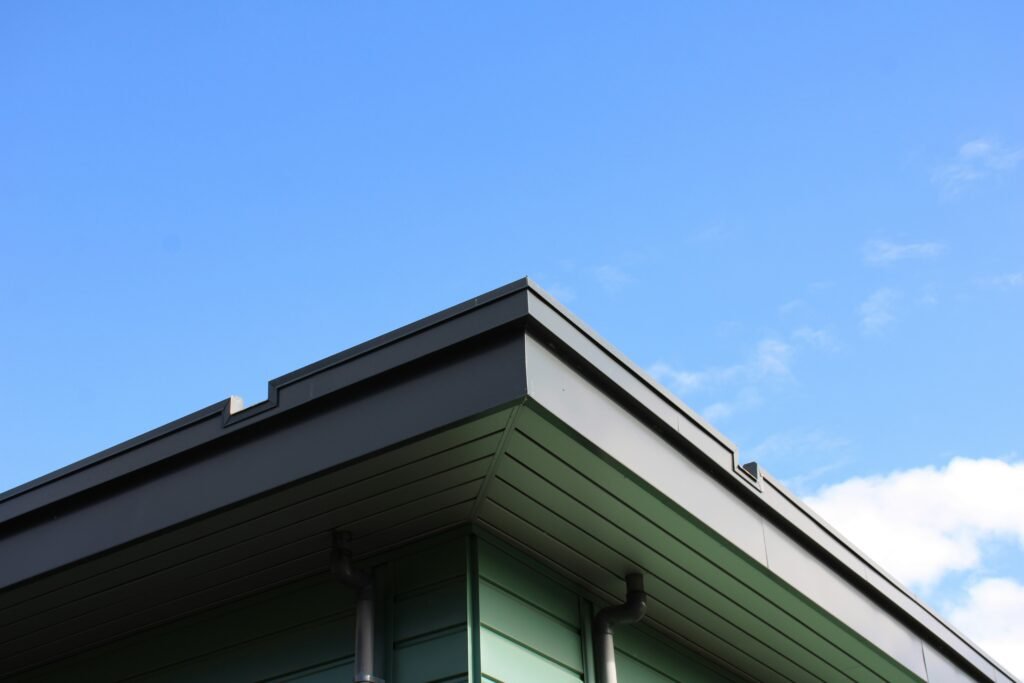
The soffit is the finished surface beneath the roof overhang. When you stand beside a house and look upward at the underside of the eaves, you are generally looking at the soffit.
Soffits may be solid, vented, or a combination of both. Depending on the home’s roof and attic design, vented soffits may allow outside air to enter the lower portion of the attic as part of a larger ventilation system.
The soffit also:
- Covers exposed rafters or roof framing
- Helps close gaps where pests could enter
- Protects the underside of the roof overhang
- Creates a finished transition between the wall and roof
- May support the attic’s intended airflow
Not every roof uses vented soffits, and not every attic should be ventilated in the same way. The appropriate approach depends on the roof assembly, insulation location, climate, and building design.
What Is Fascia?
Fascia is the vertical board or finished surface along the outer edge of the roof. It commonly covers the ends of rafters or roof framing and provides a finished roofline.
Gutters are frequently attached to the fascia, which means the fascia must remain strong enough to support their weight and the loads created by water, debris, snow, ice, or improper drainage.
Fascia also helps:
- Protect the roof edge
- Support attached gutters
- Cover exposed framing
- Create a straight visual line beneath the roof
- Provide a surface for exterior trim
Because fascia is located next to the roof covering and gutters, leaks or drainage problems can damage it quickly.
Why Are Soffit and Fascia Important?
Soffit and fascia help connect several exterior systems, including the roof, attic, siding, gutters, and wall assembly.
When they are functioning correctly, they can contribute to:
- Protecting roof framing from weather
- Directing water away from vulnerable edges
- Keeping animals and insects out of the eaves
- Supporting gutters
- Maintaining the home’s intended attic ventilation
- Creating a finished exterior appearance
A problem with one component may affect the others. An overflowing gutter can repeatedly wet the fascia. Deteriorated fascia can weaken gutter attachment points. Openings in the soffit can expose framing and insulation. Blocked soffit vents can interfere with airflow in a vented attic.
For this reason, soffit and fascia should be evaluated as part of the complete roof-edge and drainage system rather than as isolated trim.
Warning Signs at a Glance
| Warning sign | Possible concern | Appropriate next step |
|---|---|---|
| Peeling or blistering paint | Repeated moisture exposure or failed finish | Inspect for leaks and soft material |
| Soft or crumbling wood | Rot or prolonged water damage | Determine the extent of deterioration |
| Sagging soffit panels | Failed fasteners, moisture, or damaged framing | Inspect the panels and supporting structure |
| Gaps or open seams | Movement, poor installation, or missing material | Close entry points after finding the cause |
| Gutters pulling away | Weakened fascia or failed fasteners | Inspect fascia, gutters, and roof drainage |
| Water stains | Roof, flashing, or gutter leaks | Trace and correct the source of water |
| Pest activity | Openings in the soffit, fascia, or roof edge | Inspect for entry points and nesting |
| Mold or mildew | Persistent moisture or inadequate drying | Correct the moisture source before replacement |
| Rust or corrosion | Aging metal, damaged coating, or constant moisture | Evaluate whether repair or replacement is practical |
| Blocked soffit vents | Insulation, paint, debris, or improper installation | Restore intended airflow where appropriate |
A visible symptom does not always identify the underlying cause. Repainting stained fascia without correcting a roof or gutter leak is unlikely to provide a lasting solution.
Peeling, Cracking, or Blistering Paint
Peeling paint may be an early sign that wood soffit or fascia is no longer adequately protected from moisture.
Paint can fail because of:
- Age and weather exposure
- Poor surface preparation
- Incompatible coatings
- Water entering from above
- Moisture escaping from behind the material
- Repeated wetting from overflowing gutters
- Open joints or failed sealants
If the underlying material remains firm and dry, cleaning, preparation, minor repair, and repainting may be sufficient. If the wood is soft, swollen, split, or crumbling, replacement may be necessary.
Do not assume that peeling paint is purely cosmetic. Determine why the coating failed before applying another layer.
Soft, Rotted, or Crumbling Wood
Wood soffit and fascia can deteriorate after repeated or prolonged moisture exposure.
Signs of possible rot include:
- Soft areas that can be pressed or punctured easily
- Crumbling fibers
- Dark staining
- Splitting
- Swelling
- Warping
- Paint that repeatedly fails
- Fasteners that no longer hold securely
Small damaged sections may sometimes be removed and repaired when the surrounding material and framing remain sound. Widespread deterioration, multiple soft areas, or damage around gutter attachment points may justify replacement.
The inspection should extend beyond the visible board. Water may also have affected rafter tails, roof sheathing, subfascia, blocking, or wall materials.
Sagging or Loose Soffit Panels
Soffit panels should remain securely attached and generally form a consistent surface beneath the eaves.
Sagging or loose sections may result from:
- Failed or missing fasteners
- Improper panel spacing
- Thermal movement
- Wind damage
- Water accumulation
- Deteriorated support channels
- Damaged framing
- Pest activity
- Poor installation
A loose panel may be repairable if the material and support system are still in good condition. Repeated movement, widespread sagging, broken edges, or damaged support components may indicate that replacement is more appropriate.
Loose soffits should be addressed promptly because openings can allow wind-driven rain, insects, birds, or debris to enter the roof overhang.
Cracks, Holes, and Open Seams
Cracks or openings may develop as materials age, expand, contract, or sustain impact damage.
Even a relatively small opening can provide an entry point for:
- Wasps
- Bees
- Birds
- Rodents
- Bats
- Insects
- Wind-driven debris
Do not permanently close an opening until you confirm that no animals are trapped inside. Wildlife removal and exclusion requirements vary by species and location, and some animals may be protected by law.
After the area is safely cleared, repair the entry point and determine why it formed. Replacing a broken panel will not solve the problem if adjacent materials are loose or the underlying support is damaged.
Gutters Pulling Away From the Roofline
Gutters are often fastened through or into the fascia and supporting structure. When fascia deteriorates, the fasteners may lose their grip.
Warning signs include:
- Visible gaps between the gutter and fascia
- Sagging gutter sections
- Loose spikes, screws, or hangers
- Water running behind the gutter
- Rot around attachment points
- Fascia bending outward
- Gutters overflowing during ordinary rainfall
The fascia may not be the only problem. The gutter system may be undersized, improperly sloped, clogged, poorly supported, or damaged. Downspouts may also be blocked or unable to carry water away efficiently.
Correct the drainage problem before replacing the fascia. Otherwise, the new material may experience the same repeated wetting.
Water Stains Beneath the Roof Edge
Stains on the soffit or fascia can indicate water entering from above or behind the visible material.
Possible sources include:
- Damaged roofing
- Failed drip-edge details
- Roof-to-wall flashing problems
- Leaking gutter joints
- Clogged gutters
- Ice-related damage
- Wind-driven rain
- Condensation
- Plumbing or mechanical penetrations
- Improperly terminated exhaust ducts
Water does not always appear directly below its entry point. It may travel along roof sheathing, framing, or fasteners before becoming visible.
A qualified inspection may be needed to distinguish between a roof leak, gutter problem, condensation, and other moisture sources.
Mold, Mildew, or Persistent Discoloration
Mold or mildew on soffit and fascia usually indicates that moisture is present long enough to support growth.
The U.S. Environmental Protection Agency emphasizes that controlling moisture is the key to controlling mold. Its guidance on mold and moisture in the home explains why leaks and moisture problems should be corrected rather than merely covering visible growth.
Possible causes include:
- Roof leaks
- Overflowing gutters
- Poor drainage
- Condensation
- Inadequate drying
- Shaded or poorly ventilated areas
- Exhaust air directed toward the soffit
- Wet insulation or attic moisture
Cleaning visible growth without fixing the moisture source may allow it to return. Porous materials that are extensively deteriorated or contaminated may require removal rather than surface treatment.
Pest or Bird Activity Around the Eaves
Pests often use damaged soffit and fascia as access points to attics and roof cavities.
Watch for:
- Scratching or movement sounds
- Nesting material
- Droppings
- Chewed openings
- Insects repeatedly entering one location
- Birds gathering beneath the eaves
- Displaced soffit panels
- Insulation visible through an opening
Removing the animal does not complete the repair. The damaged opening, loose panels, rotten wood, or missing trim must also be corrected.
Inspect adjacent areas because one visible entry point may be part of a larger pattern of deterioration.
Blocked or Painted-Over Soffit Vents
In homes with vented attics, soffit vents may serve as lower intake points for the roof ventilation system. They can become blocked by:
- Attic insulation
- Paint
- Dust and debris
- Insect nests
- Damaged screens
- Improper replacement panels
- Missing or collapsed baffles
The U.S. Department of Energy notes that baffles can preserve an air channel above insulation in vented attic assemblies. Its information about attic ventilation baffles explains how they help maintain airflow where insulation might otherwise obstruct soffit vents.
However, more ventilation is not automatically better, and some attics are intentionally designed as unvented assemblies. Do not cut new vents or change the ventilation pattern without understanding the roof and insulation design.
An attic or building-envelope professional can evaluate whether the existing system is vented, unvented, balanced, blocked, or improperly configured.
Increased Moisture in the Attic
Damaged or obstructed soffit vents may contribute to attic moisture problems when the roof assembly relies on them for intake air. However, attic moisture can also come from inside the home.
Possible interior sources include:
- Bathroom fans terminating in the attic
- Kitchen exhaust directed into the attic
- Dryer ducts that do not vent outdoors
- Air leakage from the living space
- Plumbing leaks
- Duct leakage
- Humid indoor air
- Inadequate insulation or air sealing
The Department of Energy’s Guide to Durable Attics advises that kitchen, bathroom, and dryer exhaust should not terminate in the attic because the added moisture can contribute to attic problems.
Replacing soffit panels alone will not correct an improperly routed exhaust duct or an active roof leak. The complete moisture source must be identified.
Rust, Corrosion, or Fading
Metal soffit and fascia can corrode when coatings are damaged or the material remains exposed to moisture. Vinyl may crack, warp, become brittle, or fade after prolonged exposure. Wood may split or rot, while composite products can fail if installed incorrectly or exposed beyond their intended conditions.
Surface fading alone may not require replacement. Consider whether the problem affects:
- Structural attachment
- Weather protection
- Vent openings
- Panel stability
- Gutter support
- Material integrity
Cosmetic aging may be addressed with cleaning, refinishing, or selective repair when the product permits it. Cracked, corroded, distorted, or loose materials may be better candidates for replacement.
Uneven or Wavy Fascia Lines
Fascia should generally create a consistent line along the roof edge. Visible waves, bows, or changes in alignment may indicate:
- Warped fascia boards
- Damaged rafter tails
- Uneven framing
- Loose fasteners
- Water-damaged subfascia
- Excessive gutter loads
- Installation problems
Do not cover a severely uneven or deteriorated fascia with new material without examining the structure beneath it. Capping can conceal damage rather than correct it.
If the roof edge or framing is involved, repairs may require more than replacing the visible finish board.
Should You Repair or Replace Soffit and Fascia?
The decision depends on the extent, cause, and location of the damage.
| Repair may be reasonable when | Replacement may be more appropriate when |
|---|---|
| Damage is limited to a small section | Rot or failure extends across several areas |
| The surrounding material is sound | The material is brittle, warped, or deteriorated |
| Fasteners can still hold securely | Gutters no longer attach securely |
| A single panel has been displaced | Multiple panels are sagging or loose |
| The finish has failed but the substrate is solid | The underlying material is soft or crumbling |
| The source of moisture has been corrected | Leaks have caused repeated or hidden damage |
| Matching material is available | Repairs would create numerous visible patches |
| Ventilation openings remain functional | The existing soffit blocks required airflow |
A repair should restore the component’s function, not merely improve its appearance temporarily.
When Localized Repair May Be Enough
Localized repairs may be suitable when:
- One panel was damaged by wind or impact.
- A short fascia section was affected by a leaking gutter joint.
- Paint has failed but the wood remains firm.
- A small pest opening can be repaired safely.
- Loose material can be resecured to sound framing.
- A blocked vent can be cleared without altering the roof design.
Before repairing the visible area, inspect beyond it. Water damage and pest activity may extend farther than expected.
Matching the profile, texture, color, and thickness of existing materials can also be difficult, particularly when the original product is no longer manufactured.
When Complete Replacement May Make More Sense
Replacing the soffit and fascia across an entire roof section—or around the whole house—may be more practical when:
- Damage is widespread.
- Several repairs have already failed.
- The materials are near the end of their useful condition.
- Ventilation needs to be corrected across the eaves.
- Gutters require replacement and the fascia is questionable.
- Roofing work will expose or disturb the roof edge.
- Existing materials cannot be matched.
- Numerous patched areas would remain visible.
- Hidden framing repairs require substantial removal.
- Maintenance demands have become excessive.
Replacement may also make sense when coordinating a larger exterior project. Our guide on how to plan an exterior home remodel explains why roofing, siding, windows, trim, gutters, and drainage should be planned together.
Should Soffit and Fascia Be Replaced at the Same Time?
They do not always have to be replaced together. One component may remain serviceable while the other is damaged.
However, replacing both may be practical when:
- Water has affected the entire roof edge.
- Removing one component will disturb the other.
- The materials are similarly aged.
- The replacement profiles must fit together.
- Ventilation changes are required.
- The homeowner wants a consistent finish.
- Labor and access can be coordinated with gutter or roofing work.
An inspection should determine whether the visible fascia, subfascia, soffit panels, framing, and ventilation components remain sound.
Avoid replacing undamaged material solely for convenience unless the benefit justifies the added cost.
Inspect the Roof Before Replacing the Fascia
Fascia damage is often caused by water coming from the roof or gutter system.
Before replacement, inspect:
- Shingles or other roof covering
- Drip-edge details
- Roof sheathing
- Flashing
- Gutter slope
- Gutter seams
- Downspouts
- Roof valleys
- Eave transitions
- Areas where lower roofs meet walls
If the roof is leaking, repair it before installing new fascia. New trim cannot compensate for failed roofing or flashing.
The roof edge should be treated as a connected system in which materials overlap and direct water outward.
Inspect Gutters and Downspouts
A damaged or poorly functioning gutter system can repeatedly wet fascia and soffits.
Check for:
- Leaves and debris
- Standing water
- Incorrect slope
- Leaking seams
- Loose hangers
- Damaged end caps
- Missing or ineffective downspouts
- Water spilling behind the gutter
- Discharge too close to the foundation
- Snow or ice-related damage
Cleaning a gutter may solve a simple overflow problem, but sagging or improperly installed gutters may require repair or replacement.
If gutters will be removed during fascia replacement, decide how they will be reattached and whether the existing system should be reused.
Coordinate Soffit and Fascia With Siding
Soffits, fascia, siding, trim, and weather-resistant layers meet at the upper portions of the exterior walls. Replacing one material can expose problems in the others.
Before work begins, determine:
- How the siding terminates beneath the soffit
- Whether corner trim must be removed
- How water is directed at transitions
- Whether wall sheathing is damaged
- Whether insect screens or vent strips are required
- How replacement colors and profiles will coordinate
If the home’s siding is also showing deterioration, read when to replace your home’s siding before separating the projects.
Coordinating related work can reduce unnecessary removal and help create better exterior transitions.
Common Soffit and Fascia Materials
Material selection should account for climate, architecture, maintenance, ventilation, installation, and compatibility with the roof and gutters.
Wood
Wood can provide a traditional appearance and may be easy to customize. It requires suitable detailing, coatings, and maintenance to limit moisture-related deterioration.
Potential concerns include:
- Rot
- Peeling paint
- Splitting
- Insect damage
- Ongoing refinishing
Wood should not remain in direct or repeated contact with uncontrolled water.
Aluminum
Aluminum is commonly used as finished fascia covering or soffit material. It resists wood rot and can require less repainting than exposed wood.
Potential concerns include:
- Dents
- Corrosion in unsuitable conditions
- Visible waviness
- Scratching
- Expansion and contraction
- Difficulty matching older colors
Aluminum covering should not be used to conceal rotten wood or damaged framing.
Vinyl
Vinyl soffit is available in solid and vented profiles and generally requires limited surface maintenance.
Potential concerns include:
- Cracking
- Brittleness
- Heat distortion
- Wind damage
- Color changes
- Improper fastening that restricts movement
The product must be installed according to its intended method, including required clearances and support.
Fiber-Cement or Composite Materials
Some fiber-cement and composite products are manufactured for exterior soffit or trim applications. Their performance depends on the particular product, edge treatment, fastening, clearances, coating, and exposure.
Do not assume that any general exterior panel can be used as a soffit. Verify that the material is approved and suitable for the intended location.
Solid Versus Vented Soffit
Solid soffit closes the underside of the eaves without intentional ventilation openings. Vented soffit contains perforations or slots designed to permit airflow.
The correct choice depends on the roof assembly.
Vented soffit may be appropriate when:
- The attic is intentionally vented.
- The eaves serve as intake locations.
- Air channels connect the soffit vents to the attic.
- Insulation does not block the openings.
- Exhaust vents are positioned appropriately.
- The ventilation design complies with applicable requirements.
Solid soffit may be used where ventilation is not required at that location or where the roof assembly is intentionally unvented.
Replacing vented soffit with solid panels without evaluating the attic can disrupt the intended airflow. Likewise, adding vents to an unvented roof assembly may create moisture problems.
Do Not Vent Exhaust Air Through the Soffit
Bathroom, kitchen, and dryer exhaust should generally discharge outdoors through an appropriate termination—not into the attic.
Positioning an exhaust outlet near a soffit intake may allow warm, humid air to reenter the attic. The EPA’s moisture-control guidance warns that directing exhaust air through ventilated soffits can contribute to moisture and mold on attic and roof surfaces.
A qualified professional should evaluate exhaust termination locations when soffit work is planned, especially if vents, ducts, or fans are already present near the eaves.
Hidden Damage That May Appear During Removal
Removing soffit or fascia may expose problems that were not visible from the ground.
Possible discoveries include:
- Rotted rafter tails
- Damaged roof sheathing
- Deteriorated subfascia
- Missing flashing
- Wet insulation
- Pest nests
- Mold
- Open wall cavities
- Improper previous repairs
- Blocked ventilation paths
- Unsecured wiring
- Exhaust ducts ending in the attic
These discoveries can increase the project cost and timeline. Maintain a contingency fund and require written documentation before additional work proceeds.
Our article about hidden home remodeling costs explains how concealed conditions, disposal, access equipment, and change orders can affect the final budget.
Safety Considerations for Older Homes
Older homes may contain lead-based paint on wood soffit and fascia. Some older sheet materials may also require evaluation before cutting, sanding, or demolition.
The EPA’s Renovation, Repair and Painting Program explains federal lead-safe requirements that may apply when contractors disturb painted surfaces in many pre-1978 homes and child-occupied facilities.
Before work begins:
- Determine the home’s approximate age.
- Identify painted surfaces that will be disturbed.
- Ask whether material testing is appropriate.
- Discuss containment and cleanup.
- Keep occupants away from falling debris.
- Protect soil, landscaping, entrances, and windows.
- Do not cut or sand suspected hazardous material without proper evaluation.
Working along the roof edge also involves ladders, scaffolding, sharp materials, overhead work, and possible electrical hazards. Soffit and fascia replacement is not a good project for anyone who lacks appropriate access equipment and experience working safely at height.
Does Soffit and Fascia Replacement Require a Permit?
Permit requirements vary by location and project scope.
Straightforward replacement of exterior trim may not require a permit in some areas. Approval may be required when the work involves:
- Structural roof repairs
- Rafter-tail replacement
- Significant roof-edge reconstruction
- Changes to attic ventilation
- Electrical work
- Altered rooflines
- Historic-district requirements
- Removal of regulated materials
Contact the local building department before work begins. Do not assume that a contractor’s previous experience in another jurisdiction applies to your property.
For broader guidance, read do you need a permit for a home remodel.
How to Inspect Soffit and Fascia Safely
Homeowners can perform a basic visual review from the ground without climbing onto the roof.
Walk around the house and look for:
- Peeling paint
- Dark stains
- Sagging panels
- Open seams
- Missing sections
- Gutters pulling away
- Pest activity
- Uneven fascia lines
- Rust or corrosion
- Vegetation touching the roof edge
Binoculars or a camera with zoom can help examine upper areas. Interior attic observations may also reveal water stains, daylight through openings, pest activity, or blocked ventilation, but attic access can present fall, electrical, heat, insulation, and air-quality hazards.
Do not lean a ladder against damaged gutters or fascia. Arrange a qualified inspection when close access is necessary.
Questions to Ask Before Replacement
Before approving the project, ask:
- What caused the damage?
- Has the roof been inspected for leaks?
- Are the gutters functioning correctly?
- Is the subfascia or framing damaged?
- Is the attic vented or unvented?
- Will the new soffit preserve the intended airflow?
- Are ventilation baffles present and unobstructed?
- What material and profile will be installed?
- How will corners and joints be finished?
- Will gutters be removed and reinstalled?
- Are structural repairs included?
- How will hidden damage be documented?
- Is painting or factory finishing included?
- What access equipment will be used?
- Are permits or inspections required?
- How will landscaping and the building be protected?
- What warranties apply to materials and workmanship?
The written proposal should separate known work from allowances or possible additional repairs.
Frequently Asked Questions
Can damaged soffit be repaired without replacing the fascia?
Yes, when the soffit damage is localized and the fascia, framing, and surrounding materials remain sound. The cause of the damage should still be identified before repair.
Can fascia be replaced without removing the gutters?
Sometimes, but gutters attached to the fascia often need to be loosened or removed to access the board properly. The installation method and extent of damage determine what is practical.
Does peeling paint mean the fascia is rotten?
Not always. Paint can fail while the wood remains solid. However, peeling or blistering may indicate repeated moisture exposure, so the material and surrounding roof edge should be inspected.
Should soffit vents be added during replacement?
Only after confirming that the attic is designed to use soffit intake ventilation. Adding vents without evaluating the roof, insulation, exhaust outlets, and climate can create unintended problems.
Can new aluminum fascia cover rotten wood?
Rotten wood and damaged framing should be repaired or replaced before covering is installed. Capping deteriorated material can hide continuing damage and provide a weak base for gutters.
Why are my gutters pulling away from the fascia?
Possible causes include rotten fascia, failed fasteners, excessive debris, standing water, snow or ice loads, incorrect slope, or inadequate support. The complete gutter and roof-edge system should be inspected.
What causes holes in soffits?
Openings may result from pests, impact, rot, missing fasteners, wind, brittle materials, or poor installation. Confirm that animals are not present before sealing the opening.
Can soffit and fascia damage cause attic problems?
Yes. Openings may admit pests or weather, while blocked or damaged vents may interfere with the intended airflow in a vented attic. Attic problems may also come from roof leaks, indoor air leakage, or improperly terminated exhaust ducts.
Is soffit and fascia replacement a roofing project or a siding project?
It can involve both. Roofers, siding professionals, exterior remodelers, carpenters, and gutter installers may each handle parts of the work. The appropriate professional depends on whether the damage involves roofing, framing, ventilation, siding, or gutters.
Correct the Cause Before Installing New Materials
Soffit and fascia should be replaced when deterioration is too extensive for a durable repair, the materials no longer remain securely attached, gutters cannot be supported properly, or openings compromise the roof edge.
The most important step is determining why the damage occurred. Roof leaks, gutter overflow, poor flashing, blocked ventilation, pest entry, and interior moisture can all damage new materials if left unresolved.
Inspect the roof, gutters, framing, attic, siding transitions, and drainage system before replacement begins. Treating soffit and fascia as part of the complete building envelope will produce a more durable result than replacing only what is visible from the ground.
Remodeling Note: This article provides general educational information about soffit and fascia inspection, repair, and replacement. Roof construction, attic ventilation, material requirements, permits, moisture conditions, and safe repair methods vary by home, climate, and location. Consult qualified local professionals before removing materials, changing ventilation, repairing structural components, or working at roof height.