Riverside bathroom remodel cost estimates for 2026 generally range from approximately $12,000 for a limited update to more than $100,000 for a customized luxury renovation. A standard full bathroom remodel in Riverside commonly costs between $25,000 and $50,000, depending on the room’s size, material selections and whether plumbing fixtures remain in their existing locations.
The term bathroom remodel can describe several very different projects. Replacing a vanity and refinishing existing surfaces does not require the same budget as rebuilding a primary bathroom, moving a toilet or converting an adjoining room into a larger bathroom.
California building requirements, permit expenses, labor rates and the condition of the existing home can also affect the final price. The following ranges are intended for preliminary planning and are not contractor quotes or guaranteed costs.
Riverside Bathroom Remodel Cost by Project Scope
Bathroom remodeling costs become easier to understand when projects are divided according to the amount of work involved.
| Bathroom remodel scope | Estimated 2026 cost |
|---|---|
| Limited cosmetic update | $12,000–$22,000 |
| Standard full remodel | $25,000–$50,000 |
| Extensive bathroom renovation | $45,000–$75,000 |
| Custom or luxury remodel | $70,000–$100,000+ |
A limited update may include painting, replacing the vanity, installing new lighting, changing fixtures and making minor surface improvements without altering the layout.
A standard full remodel normally includes demolition, a replacement bathtub or shower, waterproofing, tile, a new vanity, plumbing fixtures, lighting, flooring and painting.
An extensive renovation may involve plumbing relocation, new electrical circuits, custom cabinetry, a larger shower or changes to the bathroom’s footprint.
A luxury remodel can include structural alterations, premium stone, customized millwork, specialty glass, multiple shower fixtures, a freestanding tub and major changes to adjoining rooms.
Bathroom Remodel Cost by Size
The room’s size affects the amount of tile, cabinetry and flooring required. However, small bathrooms are not always inexpensive because they still require several skilled trades.
Powder Room
A Riverside powder room containing a toilet and sink may cost approximately $8,000 to $20,000 to update.
The lower end may cover basic fixtures and finishes without changing the plumbing. Custom cabinetry, detailed tilework or alterations to the room’s footprint can increase the cost.
Small Full Bathroom
A small bathroom with a tub or shower may cost approximately $18,000 to $40,000 for a complete renovation.
This range may include demolition, waterproofing, a standard tub or shower, vanity, toilet, flooring, lighting and painting.
The project can exceed this range if the existing bathroom contains water damage, deteriorated plumbing or an inefficient layout that must be changed.
Guest Bathroom
A typical guest bathroom may cost approximately $25,000 to $50,000.
The total depends on the amount of tile, vanity size, shower configuration and fixture quality. Preserving the existing layout usually keeps the project closer to the lower end.
Primary Bathroom
A Riverside primary bathroom remodel may cost approximately $40,000 to $80,000 or more.
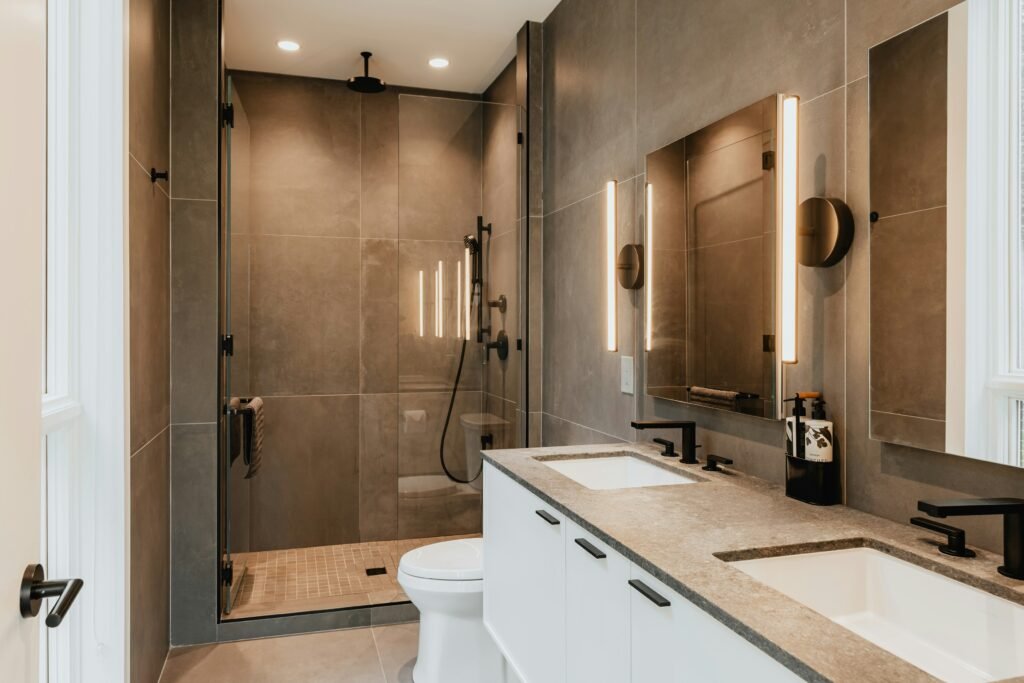
Larger showers, double vanities, custom storage, freestanding tubs and extensive tilework can increase the budget. Expanding the room into an adjoining closet or bedroom introduces additional framing, electrical and mechanical work.
Luxury Bathroom
A customized luxury bathroom may cost $70,000 to $120,000 or more.
These projects can include premium stone, custom cabinetry, large-format tile, specialty lighting, extensive glass and a completely redesigned floor plan.
Luxury materials are only part of the additional cost. Custom work requires more design time, preparation and installation precision.
What Is Included in a Full Bathroom Remodel?
A complete bathroom remodel involves much more than the visible fixtures and finishes.
The total budget may need to cover:
- Design and drawings
- Demolition and disposal
- Property protection
- Framing and drywall
- Plumbing
- Electrical work
- Ventilation
- Waterproofing
- Tile and flooring
- Vanity and countertop
- Toilet and plumbing fixtures
- Shower glass
- Painting and trim
- Permits and inspections
- Final cleaning
Homeowners should confirm whether an estimate includes both materials and installation. A proposal excluding tile, fixtures, cabinets or glass may appear inexpensive while leaving a substantial portion of the final cost unresolved.
Delivery charges, applicable taxes and temporary storage should also be identified before the construction agreement is signed.
Bathroom Remodeling Labor Costs in Riverside
Labor can account for approximately 40% to 60% of a bathroom remodeling budget, although the proportion varies according to the selected materials and project complexity.
A bathroom requires multiple trades to work inside a relatively confined area. Demolition, framing, plumbing, electrical work, waterproofing, tile installation, cabinetry, glass and painting must happen in a coordinated order.
Intricate tile patterns, large-format materials and irregular surfaces can increase installation time. Plumbing relocation and electrical upgrades may require additional inspections and repairs to surrounding walls or floors.
The contractor’s proposal may also include project supervision, insurance, scheduling, site protection and administrative expenses within the total rather than listing them as separate labor charges.
Homeowners should compare what each proposal includes instead of comparing labor rates alone.
Vanity and Cabinet Costs
A basic prefabricated vanity may cost considerably less than cabinetry designed specifically for the room.
A vanity and countertop package could range from approximately $1,500 to $6,000 installed, while larger or fully customized cabinetry may exceed $8,000 to $15,000.
The total depends on the vanity’s size, construction, countertop, sink configuration, hardware and installation requirements.
Walls in an older home may not be perfectly straight. Additional fillers, trim or surface preparation can be necessary to achieve a finished appearance.
The vanity should be selected early enough to coordinate plumbing locations, electrical receptacles, mirrors and lighting.
Shower and Bathtub Costs
The shower is frequently one of the largest expenses in a bathroom renovation.
A straightforward tub replacement with a tiled surround may cost approximately $5,000 to $12,000, depending on demolition, waterproofing, tile and fixture selections.
A custom walk-in shower may cost approximately $10,000 to $25,000 or more. Size, drainage, waterproofing, tile complexity, niches, benches, plumbing fixtures and glass all affect the price.
Converting a bathtub into a shower can be relatively straightforward when the new shower occupies the same area and uses the existing plumbing. The price increases if the drain must be moved, the floor must be altered or a larger opening is created.
A freestanding bathtub may also require floor reinforcement, plumbing changes or a different water supply arrangement.
Waterproofing and Tile Expenses
Waterproofing is one of the most important parts of a bathroom remodel, but most of the system becomes invisible after the tile is installed.
The shower base, walls, corners, penetrations, curb and drain connection must work together. Combining incompatible products or leaving important details unresolved can cause leaks behind an otherwise attractive surface.
Tile expenses depend on the amount of coverage, tile dimensions, layout and condition of the substrate.
Large-format tile may require particularly flat walls and floors. Small mosaics and detailed patterns can increase labor time. Natural stone may require specialized preparation and maintenance.
A complete estimate should explain whether it includes surface preparation, waterproofing, setting materials, grout, edge details and sealing where needed.
Homeowners can review our guide on verifying remodeling materials before installation to reduce the risk of incorrect finishes being installed.
Plumbing Relocation and Slab Costs
Keeping fixtures in their existing locations is one of the most effective ways to control Riverside bathroom remodel costs.
Moving a toilet, shower or bathtub can require substantial drain and vent modifications. Many Southern California homes are built on concrete slabs, which can make plumbing relocation more complicated.
Moving a drain beneath a slab may involve concrete cutting, excavation, new piping, inspection and concrete repair. The finished flooring cannot be installed until this work is completed correctly.
Before approving a new layout, homeowners should determine how the water, waste and vent lines will reach the proposed fixture locations.
A floor plan showing a relocated toilet does not confirm that the route is affordable or technically practical.
When the existing layout functions reasonably well, maintaining the major plumbing locations can preserve more of the budget for waterproofing, storage and visible finishes.
Electrical and Lighting Costs
Older bathrooms may not have adequate electrical capacity for modern lighting, receptacles, heated flooring or other planned features.
The project could require new wiring, additional circuits and appropriate receptacle protection. The extent of the work depends on the home’s existing electrical system and the equipment included in the new bathroom.
A bathroom electrical update may cost approximately $2,000 to $7,000 or more. Work extending to the electrical panel can increase the total.
Lighting should be planned according to how the bathroom will be used. General ceiling lighting, vanity lighting and shower-area lighting serve different purposes.
Fixture locations should be coordinated with mirrors, cabinets, doors and ceiling framing before walls are closed.
Ventilation Costs
A bathroom exhaust fan must discharge moisture through an appropriate route rather than releasing humid air into an attic, wall or ceiling cavity.
Replacing an existing fan may be relatively simple when the duct is properly sized and already terminates outside. Creating a new route can require ceiling work, roof or wall penetrations and exterior repairs.
Riverside’s generally warm and dry climate does not eliminate the need for bathroom ventilation. Showers and baths generate concentrated indoor moisture regardless of outdoor conditions.
Inadequate ventilation can contribute to peeling finishes, damaged cabinetry and moisture accumulation in concealed areas.
Ventilation should therefore be included in the original construction scope rather than treated as a minor accessory selected near the end.
Riverside Bathroom Remodel Permit Requirements
A cosmetic bathroom update may not require the same approvals as a project involving structural changes, plumbing, electrical work or mechanical ventilation.
Homeowners should confirm the current requirements through the City of Riverside before construction begins. The city provides access to building-permit information and applications through its official website.
A property with a Riverside mailing address may not necessarily be located within Riverside city limits. Properties in unincorporated Riverside County or another municipality may follow a different permitting process.
The construction agreement should state who is responsible for preparing the application, submitting plans, paying fees, arranging inspections and responding to correction notices.
Permit-related costs can include more than the amount charged by the building authority. Drawings, professional services, revisions and administrative work may also add to the budget.
A homeowner should be cautious when a project clearly includes regulated plumbing or electrical work but the estimate does not address permits.
California Water-Efficiency Requirements
California has water-efficiency requirements that may affect plumbing fixtures installed during a bathroom renovation.
The applicable requirements depend on the property, fixture and permitted scope. Toilets, showerheads and faucets should be selected with current California standards in mind.
Homeowners should not purchase fixtures solely because they fit the design. Products must also be appropriate for installation in California and compatible with the home’s plumbing.
Water-efficient fixtures can reduce consumption, but their performance depends on proper installation and adequate water pressure.
Confirming fixture specifications before ordering can prevent delays, returns and substitutions during construction.
Remodeling an Older Riverside Bathroom
Older Riverside homes can contain materials and building systems that differ substantially from modern construction.
Demolition may uncover:
- Aging galvanized or cast-iron pipes
- Outdated electrical wiring
- Uneven walls and floors
- Damaged framing
- Multiple flooring layers
- Inadequate ventilation
- Previous unpermitted alterations
- Moisture damage
- Hazardous building materials
The estimate should explain how concealed conditions will be handled if they are discovered.
A low initial price may rely on the assumption that all existing plumbing, wiring and framing can remain. That assumption should be discussed before construction rather than becoming a surprise after demolition.
Older bathrooms may also have narrower doors, limited storage and compact clearances. Improving accessibility or circulation can require changes beyond replacing fixtures.
Lead-Based Paint and Hazardous Materials
Homes built before 1978 may contain lead-based paint. Bathroom demolition can disturb painted walls, doors, windows and trim even when painting is not the primary purpose of the renovation.
Federal lead-safe renovation requirements may apply when contractors disturb painted surfaces in qualifying pre-1978 housing.
Homeowners can review current information through the Environmental Protection Agency’s Renovation, Repair and Painting Program.
Older floor coverings, wall materials and adhesives may present other testing or handling concerns. The age and construction history of the home should be considered before demolition begins.
Testing and required containment procedures can affect both the budget and schedule.
How Much Contingency Should You Keep?
A contingency is money reserved for conditions that could not be fully confirmed before demolition.
A newer bathroom with reliable records and no significant layout changes may justify a contingency of approximately 10% of the construction cost.
An older Riverside home involving extensive demolition, plumbing relocation or previous alterations may require a reserve of approximately 15% to 20%.
For example, a $40,000 bathroom remodel with a 15% contingency requires another $6,000 in available funds.
Contingency should not be treated as money for optional upgrades. Voluntary changes should be tracked separately so the reserve remains available for necessary repairs.
Expenses Commonly Missing From Estimates
An initial bathroom estimate may not include every expense required to finish the project.
Design services, permits, testing, delivery charges and temporary storage may be excluded. Some proposals also omit tile, plumbing fixtures, shower glass, mirrors, accessories or painting.
Homeowners should confirm whether the estimate includes:
- Demolition and disposal
- Protection outside the bathroom
- Plumbing and electrical permits
- Material and fixture allowances
- Waterproofing
- Shower glass
- Painting and trim
- Repairs to adjacent areas
- Delivery and applicable taxes
- Final cleaning
A low proposal containing substantial exclusions may ultimately cost more than a higher estimate that covers the complete project.
How to Compare Bathroom Remodel Estimates
Every contractor should price the same scope, drawings and material expectations.
If one proposal includes tile and plumbing fixtures while another contains low allowances or excludes them completely, comparing the final totals will be misleading.
The estimate should identify specific allowances for fixtures, cabinetry, countertops, tile, glass and lighting. It should also explain how additional work will be priced if concealed damage is discovered.
Payment schedules should be tied to identifiable project stages rather than vague dates.
The agreement should establish how changes are documented, approved and added to the contract price. Verbal decisions made during construction can make the final cost difficult to track.
How Long Does a Riverside Bathroom Remodel Take?
A straightforward bathroom remodel may require approximately four to eight weeks of construction once permits, materials and scheduling are ready.
A more complicated renovation may take eight to twelve weeks or longer, particularly when it includes plumbing relocation, custom materials or unexpected repairs.
The complete project timeline begins before demolition. Design, contractor selection, permits and material ordering may require several additional weeks or months.
Custom cabinetry, specialty tile and shower glass can extend the schedule. Shower glass is often measured after surrounding surfaces are completed, which means fabrication may occur near the end of the project.
Homeowners should confirm whether the contractor’s timeline includes inspections, material lead times and final completion work.
Ways to Control Riverside Bathroom Remodel Costs
Keeping the existing fixture layout is usually the most effective cost-control decision. Plumbing should only be relocated when the change produces a meaningful improvement.
Major materials should be selected before demolition whenever possible. The vanity, tile, shower system, plumbing fixtures and lighting affect dimensions and trade coordination.
Premium finishes can be concentrated in smaller areas. A carefully selected feature tile may create the desired appearance without covering every wall.
Required repairs should be separated from optional design improvements. If damaged plumbing or outdated wiring must be replaced, those expenses should be understood before too much of the budget is committed to decorative materials.
The homeowner should also define the maximum total investment, including design, permits, construction, contingency and expenses outside the contractor’s agreement.
Is a Riverside Bathroom Remodel Worth the Cost?
A bathroom remodel can improve comfort, storage, ventilation, accessibility and ease of maintenance. It may also correct water damage or outdated systems before they become more expensive.
The most costly design is not automatically the most valuable.
A successful renovation should match the property, household needs and expected ownership period. Durable waterproofing, practical storage and functional fixture placement often provide more lasting value than highly personalized luxury features.
Homeowners planning to sell relatively soon should consider whether the proposed finish level is appropriate for comparable properties in their Riverside neighborhood.
Those planning to remain in the home may place greater value on improved lighting, easier cleaning, accessible features and long-term comfort.
Riverside Bathroom Remodel Cost Summary
For 2026 planning, a limited Riverside bathroom update may cost approximately $12,000 to $22,000, while a standard full remodel may fall between $25,000 and $50,000.
An extensive renovation can cost approximately $45,000 to $75,000, while a customized luxury bathroom may exceed $100,000.
Plumbing relocation, custom tile, electrical upgrades, permits and concealed damage are among the factors that can increase the final price.
A reliable budget begins with a clearly defined scope, confirmed material selections and an appropriate contingency. Permit, plumbing and existing-condition questions should be resolved before demolition whenever possible.
Remodeling Note: The prices in this article are general 2026 planning estimates and are not contractor quotes or guarantees. Bathroom remodeling costs, permit requirements and construction conditions vary according to the property, project scope and jurisdiction. Consult qualified local professionals and the appropriate building authority before making construction or financial decisions.