
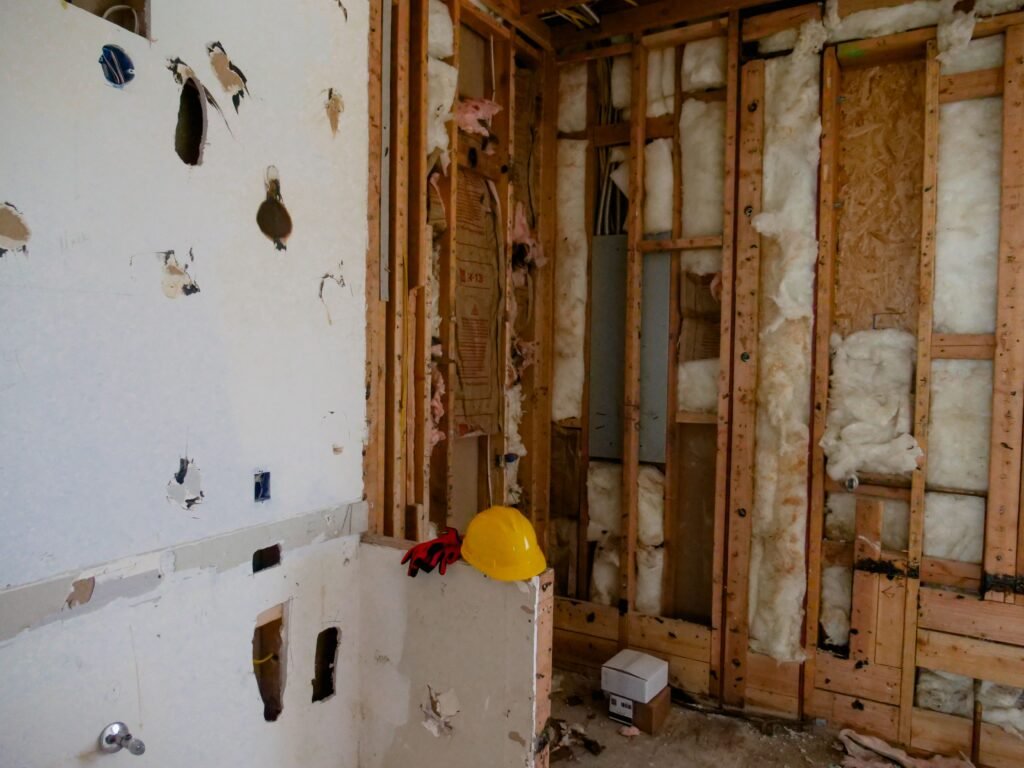
A remodeling estimate may look detailed, but it is often based partly on assumptions. Contractors cannot see concealed plumbing, electrical wiring, structural framing, water damage, or previous construction mistakes without opening parts of the house.
Exploratory demolition allows a remodeling team to examine selected concealed areas before the complete project begins. Paying for this preliminary work can feel unnecessary, especially when you are already preparing for a costly renovation. However, it may help identify problems that would otherwise emerge after the contract is signed and construction is underway.
What Is Exploratory Demolition?
Exploratory demolition, sometimes called investigative demolition, involves carefully opening limited sections of walls, ceilings, floors, soffits, or other finished surfaces. The goal is to inspect concealed conditions rather than begin the full demolition phase.
The contractor may create small access openings or remove finishes from a targeted area. For example, exploratory work might be used to determine:
- Whether a wall contains plumbing or electrical lines
- How a structural beam or column is supported
- Whether framing has suffered moisture or termite damage
- What lies beneath several layers of flooring
- Whether an older addition was built correctly
- Where drain and supply lines are located
- Whether existing framing matches available plans
The City of Chicago, for example, recognizes limited exploratory demolition as work that may be needed to expose and evaluate existing conditions during the planning of a building rehabilitation project. Local definitions and permit requirements can differ.
Why Remodel Estimates Contain Unknowns
Contractors normally prepare estimates using visible conditions, measurements, plans, homeowner selections, and their experience with similar houses. Those sources can provide a solid starting point, but they cannot reveal everything hidden behind finished surfaces.
Older houses present particularly high uncertainty. They may contain outdated wiring, corroded pipes, undersized framing, abandoned mechanical systems, or modifications made without documentation. Even relatively new homes can conceal leaks, installation errors, or unexpected utility locations.
A contractor may therefore include assumptions, allowances, exclusions, or an unforeseen-conditions clause in the proposal. If an assumption proves incorrect after demolition, the additional work may require a change order.
Homeowners should understand how remodeling allowances affect a project budget before comparing proposals.
When Exploratory Demolition May Be Worth Paying For
Not every remodel requires investigative openings. It is most useful when important design or pricing decisions depend on concealed conditions.
You plan to remove or alter a wall
A structural engineer may be able to determine whether a wall is load-bearing through plans, attic access, basement access, and an on-site inspection. In some situations, however, a limited opening may be necessary to confirm how the framing, utilities, or supports are arranged.
If a structural change is involved, learn when a home remodel may need a structural engineer.
The house has been remodeled before
Previous owners may have relocated walls, installed additions, or altered electrical and plumbing systems. Available plans might not accurately represent those modifications. Exploratory demolition can help the project team compare the current structure with the proposed design.
There are signs of water damage
Stains, soft flooring, recurring odors, peeling paint, and visible mold-like growth can indicate a concealed moisture problem. Opening a targeted area may reveal damaged framing, insulation, sheathing, or subflooring.
The source of the moisture should be identified before new finishes are installed. Specialized testing or remediation may also be necessary, depending on what is found.
The remodel involves an older home
Aging houses may contain materials or systems that require special handling. Lead-based paint, asbestos-containing materials, outdated wiring, galvanized plumbing, and deteriorated framing can change the project’s scope.
Testing should be completed before disturbing materials that might be hazardous. The Environmental Protection Agency’s renovation guidance explains federal lead-safe requirements for work that disturbs painted surfaces in many pre-1978 homes.
The contractor cannot provide reliable pricing without more information
A contractor may offer a broad estimate while clearly stating that the price depends on what is discovered. When a major part of the budget is tied to an unknown condition, paying for a limited investigation may allow the contractor to prepare a more precise scope and proposal.
What Exploratory Demolition Can Reveal
The findings depend on the location and purpose of the investigation. Common discoveries include:
| Hidden condition | Possible effect on the remodel |
|---|---|
| Plumbing inside a wall | Pipes may need to be rerouted |
| Electrical wiring in a soffit | Wiring may need relocation or upgrading |
| Load-bearing framing | Structural design and engineering may be required |
| Rot or insect damage | Framing may need repair or replacement |
| Uneven or damaged subfloor | Flooring preparation costs may increase |
| Old insulation or hazardous materials | Testing and specialized removal may be necessary |
| Unrecorded construction changes | Plans and permits may need revision |
| HVAC ducts or vents | The proposed layout may need adjustment |
Discovering one of these conditions early does not make the repair inexpensive. It gives the homeowner and project team an opportunity to address it before construction is fully committed.
How Much Does Exploratory Demolition Cost?
There is no standard price because the work can range from opening a small section of drywall to investigating several areas throughout an older house. Costs can include:
- Labor for controlled removal
- Dust containment and surface protection
- Disposal of removed material
- Inspections by tradespeople
- Structural engineering
- Testing for lead, asbestos, or mold
- Temporary patching
- Permanent restoration if the remodel does not proceed
Ask for a written description of what the exploratory price covers. A low initial charge may exclude patching, testing, engineering, or follow-up visits.
The investigation should focus on questions that could materially affect the design, feasibility, or budget. Opening surfaces without a defined purpose can create repair costs without producing useful information.
Will It Eliminate Unexpected Remodel Costs?
Exploratory demolition can reduce uncertainty, but it cannot eliminate every surprise. The project team normally investigates selected areas rather than exposing the entire structure.
A small wall opening might confirm the location of a pipe but fail to reveal damage several feet away. Conditions beneath cabinets, tile, roofing, or other inaccessible materials may remain unknown until full demolition begins.
Homeowners should still maintain a remodeling contingency. The appropriate amount depends on the home’s age, project complexity, available documentation, and the number of unresolved conditions.
Questions to Ask Before Approving the Work
Before paying for exploratory demolition, ask the contractor or designer:
- What specific uncertainty are we investigating?
- Where will openings be made?
- How large will the openings be?
- Could the investigation damage finishes we planned to keep?
- Is dust containment included?
- Does the work require local approval or a permit?
- Should materials be tested before they are disturbed?
- Who will evaluate the conditions after they are exposed?
- Will photographs and measurements be provided?
- Is temporary or permanent patching included?
- How will the findings affect the plans and final estimate?
- What important conditions will remain unknown afterward?
These questions establish the purpose and limits of the investigation. They can also prevent disagreements about who must repair the openings if the larger remodel is postponed or cancelled.
Should the Findings Be Documented?
The contractor should document relevant discoveries with photographs, measurements, notes, and updated assumptions. Engineers, architects, or licensed tradespeople may need to provide additional recommendations when structural or technical issues are found.
Important findings should be incorporated into the drawings, scope of work, specifications, and price proposal. Simply discussing the discovery verbally leaves room for confusion later.
Homeowners should retain these records along with permits, contracts, warranties, change orders, and inspection reports. This documentation can also be helpful during future repairs or renovations. Review the remodeling documents you should keep after a project for a more complete recordkeeping checklist.
Could Exploratory Demolition Require a Permit?
Permit rules vary considerably by location and by the nature of the work. A small nonstructural opening may be treated differently from removing structural materials or disturbing regulated building components.
Contact the local building department before work begins. The contractor should also clarify who will obtain any necessary approval. Do not assume that calling the work “exploratory” automatically exempts it from local requirements.
The investigation may reveal that the eventual renovation requires additional permits or professional plans. Homeowners can review when a permit may be required for a home remodel before finalizing the project schedule.
When Exploratory Demolition May Not Be Necessary
The extra step may offer limited value when:
- The proposed work is entirely cosmetic
- The affected construction is already exposed
- Accurate plans and recent inspection records are available
- The design does not depend on concealed structural or utility conditions
- The planned full demolition will occur before final pricing decisions
- The cost of opening and restoring valuable finishes outweighs the information likely to be gained
Alternative investigation methods may sometimes be appropriate. Attic or crawl-space inspections, access panels, borescopes, moisture meters, thermal imaging, utility locating equipment, and existing permit records may answer some questions without removing large areas of finish.
A qualified professional should determine which method is suitable for the condition being investigated.
How to Decide Whether the Cost Is Justified
Consider how much the unknown condition could affect the project. Spending money on a controlled investigation may be reasonable when the answer could change the layout, structural design, permit requirements, construction schedule, or budget by thousands of dollars.
The investigation is less compelling when the concealed condition has little influence on the planned work or will become visible before any irreversible decisions are made.
Ask the remodeling team to explain three things clearly: what they do not know, why the information matters, and what decision will be made after the area is opened. Exploratory demolition is most valuable when it answers a defined question and the findings are incorporated into the project documents.
Remodeling Note: This article provides general educational information. Building conditions, safety requirements and permit rules vary by property and location. Consult qualified contractors, design professionals, appropriate specialists and your local building department before authorizing demolition or remodeling work.