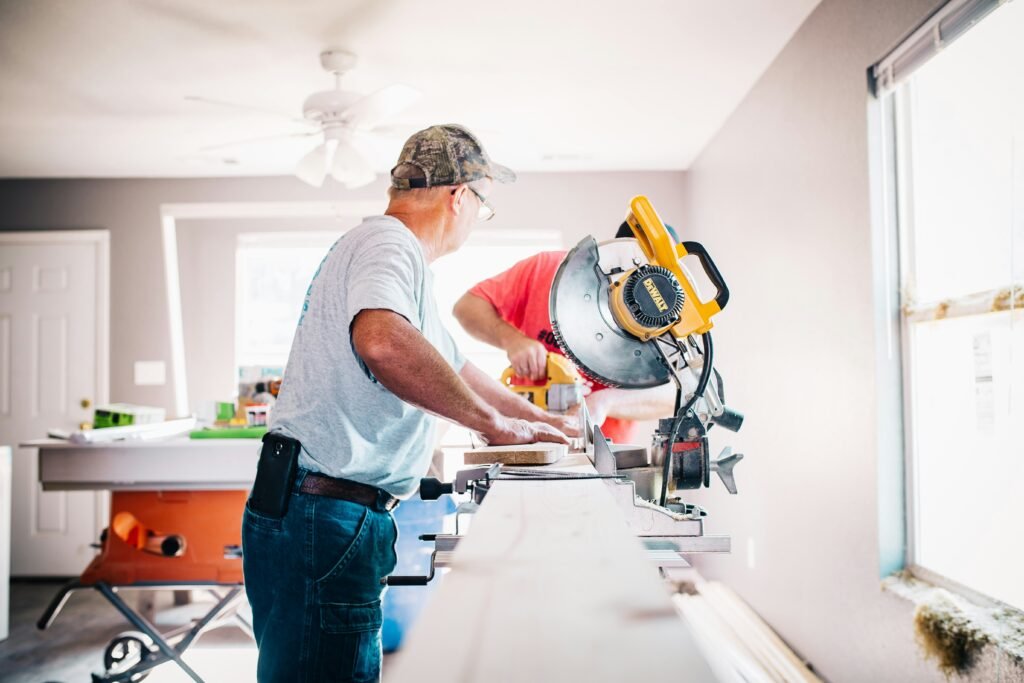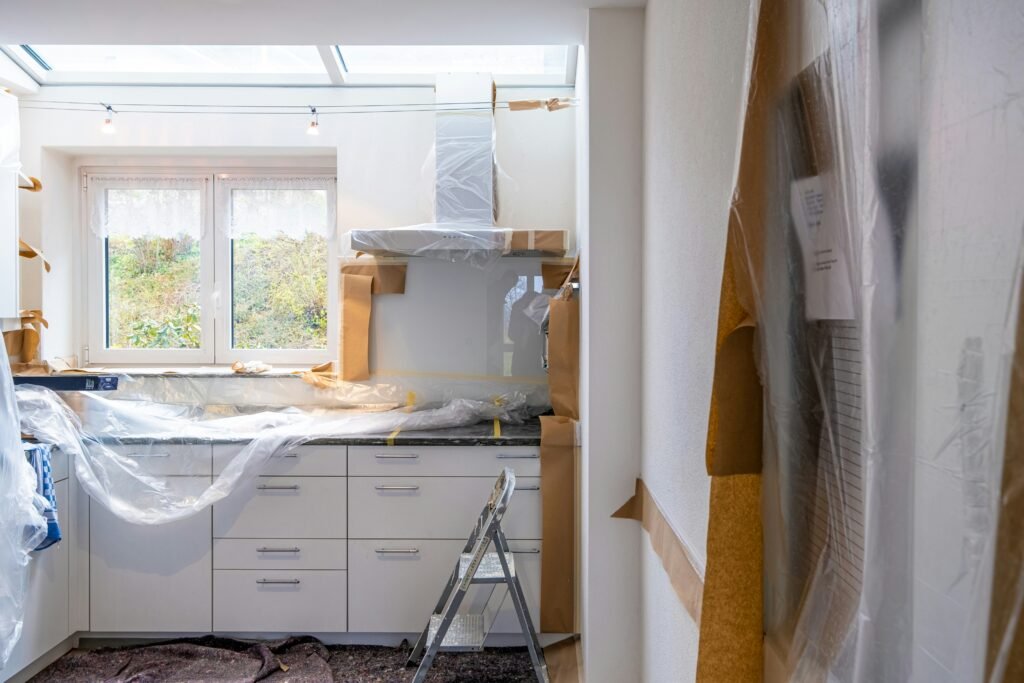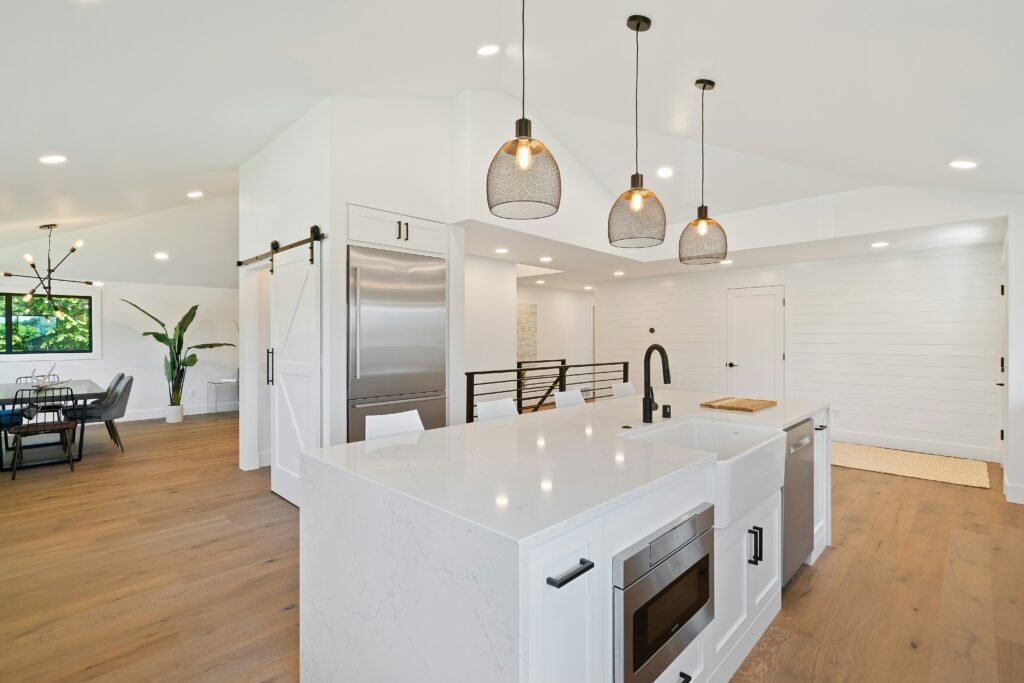
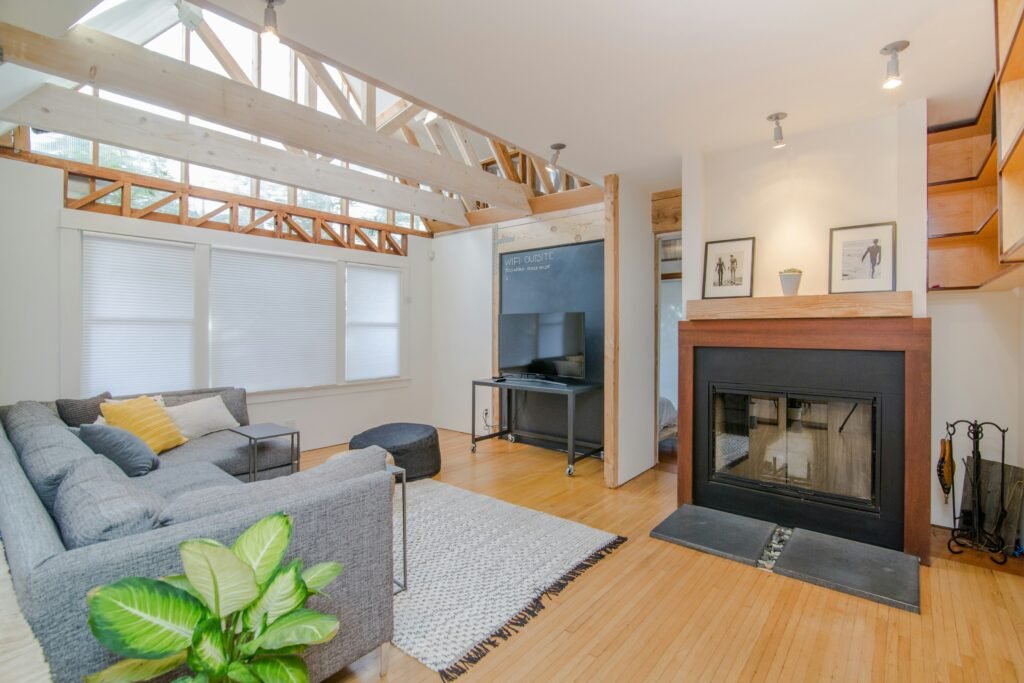
A major remodel can improve how your home looks and functions, but it can also interrupt nearly every part of daily life. Noise, dust, restricted access, material deliveries, utility shutoffs, and unfamiliar workers can make an ordinary household routine difficult to maintain.
Preparing before construction begins can protect your belongings, reduce stress, and help household members understand what will happen during the project. It can also prevent avoidable delays caused by rooms that were not cleared, access problems, or decisions that should have been made earlier.
This guide explains how to prepare your home and family for a major remodel, including how to organize temporary living spaces, protect children and pets, manage construction dust, communicate with workers, and prepare for unexpected disruptions.
Before completing these preparations, make sure the scope, budget, and schedule are clearly defined. Our guide on how to plan a home remodel explains the decisions homeowners should address before construction begins.
Major Remodel Preparation Checklist
The following table provides an overview of the most important preparations to complete before workers arrive.
| Area to prepare | What to do | Why it matters |
|---|---|---|
| Project documents | Organize contracts, plans, permits, selections, and contact information | Keeps important information accessible |
| Work areas | Remove furniture, valuables, decorations, and personal belongings | Prevents damage and gives workers access |
| Nearby rooms | Cover furniture, seal storage, and protect floors | Reduces dust and construction damage |
| Temporary living spaces | Set up replacement cooking, sleeping, working, or bathing areas | Helps maintain household routines |
| Children and pets | Establish safe areas away from tools and debris | Reduces the risk of injury or escape |
| Utilities | Plan for water, electricity, internet, heating, and cooling interruptions | Prevents unexpected disruption |
| Deliveries and access | Choose entrances, parking areas, and material-storage locations | Keeps the jobsite organized |
| Security | Establish worker access and end-of-day locking procedures | Protects the property |
| Neighbors | Provide advance notice about noise or access changes | Reduces conflict and confusion |
| Emergency planning | Identify exits, contacts, medications, and essential supplies | Helps the household respond to unexpected events |
The amount of preparation required depends on whether you are remodeling one room, one floor, or most of the house. A project affecting essential spaces such as the kitchen, bathrooms, bedrooms, or main entrance usually requires more detailed planning.
Understand the Project Scope and Construction Sequence
Before moving belongings or arranging temporary housing, make sure you understand which parts of the property will be affected.
Ask the remodeling professional to explain:
- Which rooms will be closed
- Which entrances workers will use
- Where tools and materials will be stored
- Which walls, ceilings, or floors will be opened
- Whether water or electricity will be disconnected
- Which rooms will remain usable
- How workers will contain dust
- How long each stage is expected to last
- Whether the household must leave during particular work
The construction sequence affects how you should prepare. Demolition requires more dust control and item removal than finish installation. Plumbing and electrical work may interrupt utilities, while flooring can limit access between rooms.
Our guide explaining in what order you should remodel a house provides a detailed overview of the typical sequence from planning and demolition through final inspections.
Decide Whether You Can Remain in the Home
One of the most important decisions is whether your household can safely and comfortably remain in the property during construction.
Staying at home may reduce temporary housing expenses, but it can also increase stress and expose household members to noise, dust, restricted access, and frequent interruptions.
Consider temporary housing when:
- Most of the house will be under construction
- The only kitchen will be unusable for an extended period
- No functional bathroom will remain
- Water or electricity will be unavailable regularly
- Demolition involves suspected hazardous materials
- Children or household members have respiratory sensitivities
- Essential entrances or exits will be blocked
- Structural work will make areas temporarily unsafe
- Noise will interfere with sleep, school, or remote work
Ask the remodeling professional whether remaining in the home could slow construction. Workers may be able to complete certain tasks more efficiently when they do not need to maintain daily access for occupants.
If you plan to leave, account for temporary housing in your remodeling budget. Our article about hidden home remodeling costs covers lodging, meals, storage, delivery, and other expenses that may be overlooked.
Create a Temporary Living Plan
If you remain at home, identify which areas will serve as temporary replacements for rooms under construction.
Your plan may need to include:
- A temporary kitchen or food-preparation station
- An alternative bathroom
- A quiet work or study area
- A safe play area for children
- A separate location for pets
- Temporary clothing and household storage
- A backup entrance
- A sleeping arrangement away from noise and dust
Do not attempt to recreate every feature of the unavailable room. Focus on the essentials needed to maintain a safe and manageable routine.
Keep temporary areas outside construction traffic routes. Workers should not need to walk through sleeping, working, or food-preparation spaces whenever possible.
Set Up a Temporary Kitchen
A kitchen remodel can affect meal preparation, food storage, dishwashing, and access to drinking water.
A temporary kitchen may include:
- A refrigerator
- A microwave
- An electric kettle
- A coffee maker
- A toaster or another permitted countertop appliance
- Disposable or reusable dishes
- Basic utensils
- Sealed food-storage containers
- A table or stable work surface
- Access to safe drinking water
Use electrical appliances only in locations with suitable outlets and sufficient capacity. Do not overload circuits or use cooking equipment in ways that create a fire or ventilation hazard.
Plan simple meals before construction begins. Consider preparing and freezing food if an appropriate freezer and reheating method will remain available.
Budget for additional restaurant meals or takeout, but do not assume the project will finish on the earliest possible date. Delays can extend temporary food expenses.
Protect Furniture and Personal Belongings
Remove everything possible from the construction area. Dust and vibration can damage items even when workers do not touch them directly.
Move or securely protect:
- Furniture
- Electronics
- Artwork
- Photographs
- Books
- Clothing
- Rugs
- Curtains
- Decorative objects
- Important documents
- Jewelry and valuables
- Collectibles
- Fragile household items
Do not store these items in a room immediately beside the work zone unless the room can be properly sealed and protected.
Construction dust can enter boxes, cabinets, closets, and fabric-covered furniture. Use sealed plastic containers when possible rather than open baskets or loosely closed cardboard boxes.
Photograph valuable items before storing or relocating them. Keep irreplaceable belongings outside the property if the project is extensive.
Clear Paths for Workers and Deliveries
Workers need reliable access to the jobsite. Materials such as cabinets, countertops, drywall, lumber, appliances, and fixtures may require wide, unobstructed paths.
Walk through the intended access route and remove:
- Furniture
- Rugs
- Decorations
- Plants
- Shoes
- Toys
- Outdoor equipment
- Fragile lighting
- Low-hanging objects
- Vehicles blocking loading areas
Measure narrow doors, gates, hallways, and stairways before large products arrive. Determine whether oversized materials require another entrance or special handling.
Discuss where delivery vehicles can park and how materials will be moved without damaging landscaping, walls, floors, or doors.
Establish Dust-Control Expectations
Dust is one of the most common complaints during a major remodel. Demolition, drywall sanding, cutting, and flooring work can generate fine particles that travel beyond the immediate work area.
Ask how the construction zone will be separated from occupied spaces. Dust-control measures may include:
- Temporary plastic barriers
- Sealed doorways
- Floor-to-ceiling partitions
- Covered floors
- Protected air vents
- Air filtration equipment
- Negative air pressure
- Designated worker entrances
- Daily cleaning
- Debris-removal procedures
Dust barriers should not block required exits or create new safety hazards.
Close and seal belongings in nearby rooms. Replace or inspect HVAC filters as appropriate, and ask whether the heating or cooling system should operate during particularly dusty work.
Construction cleanup may remove large debris without eliminating fine dust. Determine whether detailed post-construction cleaning is included in the agreement.
Prepare Older Homes for Safe Renovation
Homes built before 1978 are more likely to contain lead-based paint. Cutting, sanding, demolition, and window replacement can disturb painted surfaces and create dangerous dust.
The Environmental Protection Agency provides lead-safe renovation guidance for homeowners. Covered work in older homes may require particular lead-safe practices.
Before work starts:
- Confirm the year the home was built
- Discuss suspected lead-based paint
- Ask how painted surfaces will be disturbed
- Determine whether testing is appropriate
- Establish containment and cleanup procedures
- Keep children and pregnant household members away from affected areas
- Follow qualified professional guidance
Older homes may also contain asbestos-containing materials or other hazards. Suspected materials should be assessed before ordinary demolition begins.
Do not rely on appearance alone to determine whether a material presents a hazard.
Keep Children Away From Construction Areas
A construction zone may contain exposed wiring, sharp materials, open floors, unstable surfaces, tools, adhesives, dust, and temporary barriers.
Children should not enter active work areas, even when workers are not present.
Establish clear physical boundaries and explain:
- Which rooms are off-limits
- Which entrances workers will use
- Why tools and materials must not be touched
- Where children can safely play
- What to do if a barrier is open
- Which adult to contact if they see a problem
Temporary barriers may not be designed to prevent children from entering. Use appropriate supervision and additional safeguards when necessary.
If the project affects the main entrance or normal route through the house, teach children the temporary route before construction starts.
Create a Safe Plan for Pets
Construction can be stressful and dangerous for pets. Noise, unfamiliar people, open doors, exposed materials, and changes in routine may cause animals to hide, escape, or behave unpredictably.
Choose a secure pet area away from construction noise and traffic. Make sure workers know that animals are present.
Depending on the pet and project, consider:
- A closed room outside the work zone
- Daytime pet care
- Boarding during demolition
- Maintaining normal feeding and walking times
- Updating identification tags
- Keeping carriers or leashes accessible
- Moving food and medication away from dust
- Using a separate entrance for walks
Do not rely on temporary plastic barriers to contain pets. Workers may need to open doors frequently for tools, debris, and deliveries.
Plan for Utility Interruptions
Plumbing, electrical, HVAC, and appliance work may require temporary utility shutoffs.
Ask the project manager to provide advance notice whenever possible. Find out:
- Which utilities will be interrupted
- Which rooms will be affected
- How long shutoffs are expected to last
- Whether refrigeration will remain available
- Whether toilets and sinks can be used
- Whether heating or cooling will be interrupted
- Whether internet equipment must be relocated
- What happens if utility service cannot be restored that day
Keep flashlights, charged devices, drinking water, essential food, and other appropriate supplies available.
Household members who depend on powered medical equipment or temperature-controlled medication should establish a reliable backup plan before construction begins.
Protect Heating, Cooling, and Indoor Air
A remodel can affect heating, cooling, ventilation, and air quality.
Open walls, blocked vents, disconnected ducts, or frequent exterior access can make the home harder to heat or cool. Dust may also enter the HVAC system if vents and returns are not properly managed.
Discuss:
- Whether the system should operate during demolition
- How vents in the construction zone will be protected
- How occupied rooms will be heated or cooled
- When filters should be inspected or replaced
- Whether temporary ventilation is necessary
- How moisture will be controlled
Never block combustion-air openings, exhaust systems, or required ventilation without professional direction.
Create a Communication System
Consistent communication helps prevent confusion once construction begins.
Identify one primary contact for the household and one for the remodeling team. Agree on how routine updates, urgent questions, product approvals, and schedule changes will be communicated.
Regular updates should address:
- Work completed
- Work scheduled next
- Upcoming inspections
- Material deliveries
- Required homeowner decisions
- Utility interruptions
- Change orders
- Budget changes
- Schedule adjustments
- Problems requiring attention
Keep important decisions in writing. Verbal conversations can be misunderstood or forgotten, especially when several professionals are involved.
Do not give conflicting instructions directly to different workers. Route changes through the designated project contact so the cost, schedule, and effect on other trades can be evaluated.
Our guide to what to expect during a home remodel provides more information about construction stages, delays, communication, inspections, and the final walkthrough.
Organize Project Documents
Keep remodeling documents in one physical or digital location.
Your records may include:
- Signed contracts
- Plans and drawings
- Permits
- Insurance documents
- Product selections
- Material specifications
- Estimates
- Allowance information
- Payment records
- Change orders
- Inspection results
- Photographs
- Warranties
- Contact information
- Project schedules
Maintain a current list of decisions that must be made and their deadlines. Late selections can delay ordering and installation.
Save photographs of work before walls and ceilings are closed. Images showing the locations of pipes, wiring, framing, and ducts may be useful during future repairs or installations.
Secure Valuables and Sensitive Information
A remodeling project brings workers, subcontractors, inspectors, and delivery personnel onto the property.
Remove or secure:
- Cash
- Jewelry
- Financial records
- Identity documents
- Prescription medication
- Spare keys
- Collectibles
- Firearms
- Private business information
- Devices containing sensitive data
This is a general precaution and does not imply wrongdoing by anyone working on the project.
Avoid leaving confidential paperwork in common areas. Lock rooms that are not part of the project if doing so will not interfere with required work or emergency access.
Establish Access and Security Procedures
Decide how workers will enter the property and who is responsible for securing it.
Discuss:
- Daily arrival and departure times
- Key, lockbox, or smart-lock access
- Alarm-system procedures
- Which entrances may be used
- Whether anyone may enter when the household is away
- Who will lock doors and windows
- How temporary openings will be secured
- What happens if access credentials are lost
Change temporary codes after construction is complete. Collect borrowed keys and confirm that windows, gates, and doors function properly during the final walkthrough.
Prepare for Deliveries and Material Storage
Remodeling materials may arrive before they are needed. Cabinets, windows, flooring, fixtures, appliances, and tile require secure, dry storage.
Ask:
- When major products will arrive
- Who will accept deliveries
- Who will inspect products for damage
- Where materials will be stored
- Whether the storage area requires climate control
- Who is responsible for theft or damage
- How packaging will be removed
- Whether redelivery charges could apply
Do not block exits, electrical panels, utility equipment, or household access routes with stored materials.
Some products require acclimation before installation. Follow the manufacturer’s requirements and professional recommendations.
Make a Plan for Construction Waste
Large projects can generate substantial debris. Determine where dumpsters or waste containers will be placed and whether they require local approval.
Construction waste may affect:
- Driveway access
- Street parking
- Mail delivery
- Landscaping
- Neighbor access
- Visibility near entrances
- Homeowners association rules
Ask how frequently waste will be removed and whether hazardous materials require separate handling.
Do not allow children or pets near construction debris. Nails, broken tile, sharp metal, glass, and unstable piles can create serious hazards.
Notify Your Neighbors
A major remodel may affect nearby residents through noise, construction traffic, parking, dust, or temporary access changes.
Give neighbors reasonable advance notice. Explain the expected start date, typical working hours, estimated duration, and any known activity that may affect shared areas.
You do not need to disclose private financial or design details. A brief, respectful notice can reduce frustration and make it easier for neighbors to contact you if a legitimate problem occurs.
Ask workers and delivery drivers to follow local parking rules and avoid blocking neighboring driveways, mailboxes, or waste collection.
Prepare for Schedule Changes
Even a carefully planned project can experience delays. Hidden damage, inspections, material shortages, weather, product defects, and design changes can all affect the schedule.
Avoid arranging important events around the earliest possible completion date. Allow extra time before holidays, family gatherings, travel, childbirth, moving dates, or property listings.
Ask for schedule updates throughout the project and distinguish between:
- The original estimated completion date
- The current projected completion date
- Tasks affecting the critical path
- Optional work that can occur later
- Delays caused by homeowner decisions
- Delays outside anyone’s direct control
Maintain flexibility in temporary housing, storage, work arrangements, and other plans whenever possible.
Build a Household Emergency Plan
Construction may temporarily alter exits, smoke-alarm coverage, lighting, and access routes.
Before work begins:
- Identify all usable exits
- Keep exit paths clear
- Confirm emergency contact information
- Keep medications accessible
- Maintain working alarms outside affected areas
- Store flashlights in occupied spaces
- Explain temporary routes to household members
- Identify where workers will gather during an emergency
- Keep the property address visible for responders
Never allow materials, tools, or waste to block required exits, electrical panels, fire-safety equipment, or utility shutoffs.
If normal safety systems must be temporarily disconnected, ask qualified professionals what precautions are required.
Maintain a Normal Routine Where Possible
Construction creates uncertainty, so preserving a few predictable routines can help household members manage the disruption.
Try to maintain regular:
- Meal times
- School schedules
- Sleep routines
- Pet care
- Work hours
- Exercise
- Family time
- Cleaning routines outside the work zone
Choose one room or part of the home that remains as calm, clean, and construction-free as possible.
Keep frequently used items in accessible locations rather than packed among long-term storage. Label boxes clearly so essential belongings can be found without entering construction areas.
Frequently Asked Questions
How far in advance should you prepare for a major remodel?
Begin practical household preparations several weeks before construction when possible. Product ordering, temporary housing, storage, utility planning, and room clearing may require additional time.
Should you remove everything from a room before remodeling?
Remove furniture, valuables, electronics, decorations, clothing, and personal belongings whenever possible. Items that cannot be moved should be protected according to professional recommendations.
Can a family stay home during a major remodel?
It depends on the scope, safety conditions, available bathrooms, kitchen access, utility interruptions, dust, noise, and household needs. Some major projects require temporary housing during particularly disruptive stages.
How can homeowners control dust during remodeling?
Dust-control methods may include sealed barriers, covered floors, protected vents, air filtration, designated access routes, and regular cleaning. Discuss the project-specific approach before demolition begins.
How should pets be handled during construction?
Keep pets in a secure area away from workers, tools, debris, and open doors. Daytime care or temporary boarding may be appropriate during demolition or other loud stages.
What should homeowners store outside the house?
Consider relocating valuables, sensitive documents, fragile items, artwork, electronics, seasonal belongings, and anything vulnerable to dust, vibration, moisture, or theft.
Should neighbors be told about a remodel?
Providing reasonable notice is considerate when the work may cause significant noise, traffic, parking changes, or other disruption. Include the expected schedule without sharing unnecessary personal details.
What documents should homeowners keep?
Retain contracts, permits, plans, estimates, invoices, change orders, inspection records, warranties, photographs, product information, and important communications.
Preparation Can Make Remodeling More Manageable
A major remodel will still involve inconvenience, even when the project is carefully managed. The purpose of preparation is not to eliminate every disruption. It is to protect the home, preserve essential routines, and give household members a clear plan.
Remove belongings early, create temporary living spaces, establish safe areas for children and pets, prepare for utility interruptions, and agree on communication procedures before construction starts.
These preparations can help your family respond more calmly when the schedule changes or an unexpected issue appears.
Remodeling Note: Every home, household, and remodeling project has different structural, financial, scheduling, permitting, and safety considerations. Building codes, inspection requirements, dust-control needs, and appropriate preparation methods also vary by location. Before beginning a major remodel, speak with a qualified remodeling professional who can evaluate your property, explain how the work may affect your household, and help you create a preparation plan suited to your home, family, goals, and budget.