A bathroom remodel in 2026 can cost approximately $5,000 for a limited cosmetic update to more than $75,000 for a large luxury renovation. Many professionally completed bathroom remodels fall between $15,000 and $35,000, although prices vary considerably by location, room size, material quality, labor requirements, and existing conditions.
The bathroom remodel cost in 2026 also depends on how much of the room will change. Replacing fixtures without altering the layout generally costs less than moving plumbing, building a custom shower, changing walls, or repairing hidden water damage.
Average Bathroom Remodel Cost in 2026
The following ranges can help homeowners create a preliminary budget:
| Type of bathroom remodel | Estimated cost in 2026 | Typical scope |
|---|---|---|
| Cosmetic bathroom update | $5,000–$15,000 | Paint, lighting, hardware, faucet, toilet, vanity, or limited surface updates |
| Midrange bathroom remodel | $15,000–$35,000 | New fixtures, vanity, flooring, tile, lighting, ventilation, and professional installation |
| Major bathroom remodel | $35,000–$75,000+ | Layout changes, custom shower, premium finishes, new plumbing, and structural work |
| Luxury primary bathroom | $60,000–$100,000+ | Expanded layout, custom cabinetry, premium tile, multiple fixtures, and specialized features |
These figures are broad planning estimates rather than guaranteed prices. A small bathroom in a lower-cost market may fall below these ranges, while a similar project in an expensive metropolitan area may cost substantially more.
Local estimates are necessary because labor rates, permit fees, building requirements, and material availability differ among communities.
What Does a Cosmetic Bathroom Remodel Cost?
A cosmetic bathroom remodel generally costs between $5,000 and $15,000. This level of renovation improves the room’s appearance without making major changes to the layout, plumbing, or structure.
A cosmetic update may include:
- Painting the walls and ceiling
- Replacing the vanity or countertop
- Installing a new mirror and light fixture
- Changing faucets and cabinet hardware
- Replacing the toilet
- Updating the shower door
- Repairing or replacing small sections of flooring
This budget is most realistic when the bathroom is already functional and does not have significant leaks, moisture damage, outdated wiring, or deteriorated plumbing.
Cosmetic work cannot correct problems hidden behind the walls or beneath the floor. Homeowners should investigate signs of water damage before installing new finishes over an existing problem.
What Does a Midrange Bathroom Remodel Cost?
A midrange bathroom remodel typically costs between $15,000 and $35,000. It usually replaces most visible fixtures and finishes while preserving the bathroom’s general footprint.
The project may include a new bathtub or shower, wall tile, flooring, vanity, countertop, sink, toilet, lighting, exhaust fan, plumbing fixtures, and paint. Demolition, waste removal, permits, and professional installation may also be part of the budget.
The selected materials can move the final cost toward either end of the range. Standard-size fixtures, a prefabricated vanity, and straightforward tile patterns may help control expenses. Custom cabinets, complicated tilework, specialty lighting, and frameless shower glass will usually increase the total.
A clear plan should be established before products are ordered or demolition begins. Our guide on how to plan a home remodel explains how to establish priorities, create a budget, and organize the early stages of a remodeling project.
What Does a Major Bathroom Remodel Cost?
A major bathroom remodel may cost $35,000 to $75,000 or more. Large primary bathrooms, structural changes, and luxury materials can push the price above $100,000.
Major bathroom renovations may involve:
- Removing or relocating walls
- Expanding the bathroom
- Moving the toilet, sink, shower, or bathtub
- Building a custom walk-in shower
- Installing a freestanding bathtub
- Replacing old supply and drain lines
- Updating the electrical system
- Adding custom cabinetry
- Installing heated flooring
- Improving ventilation
- Adding accessibility features
These projects require more planning and coordination because several trades may need to complete work in a specific order. Plumbing and electrical systems must generally be installed and inspected before walls, tile, and finished surfaces are completed.
Major demolition also increases the likelihood of discovering damaged framing, deteriorated subflooring, leaking pipes, mold, or previous work that does not satisfy current requirements.
Bathroom Remodel Cost by Bathroom Type
The type of bathroom often has a greater effect on cost than square footage alone.
| Bathroom type | Possible 2026 cost range |
|---|---|
| Powder room or half bathroom | $5,000–$15,000 |
| Small full bathroom | $10,000–$25,000 |
| Standard full bathroom | $15,000–$35,000 |
| Primary bathroom | $25,000–$60,000 |
| Luxury primary bathroom | $60,000–$100,000+ |
A powder room usually costs less because it does not contain a bathtub or shower. A primary bathroom may require more plumbing fixtures, cabinetry, tile, lighting, and labor.
A small bathroom is not automatically inexpensive to renovate. Even a compact space may require demolition, plumbing, electrical work, waterproofing, ventilation, flooring, fixtures, and inspections.
Working in a small room can also make installation more difficult. Limited access may increase the time needed to remove old materials and install new fixtures.
Where Does the Bathroom Remodeling Budget Go?
Labor, plumbing, tile, waterproofing, and major fixtures commonly account for a substantial share of a bathroom remodeling budget.
A preliminary budget might be divided approximately as follows:
| Expense | Possible share of budget |
|---|---|
| Labor and project management | 25%–40% |
| Shower, bathtub, tile, and waterproofing | 20%–35% |
| Vanity, countertop, sink, and storage | 10%–20% |
| Plumbing fixtures and toilet | 8%–15% |
| Flooring, lighting, ventilation, and paint | 10%–20% |
| Permits, demolition, disposal, and contingency | 10%–20% |
These percentages are general guidelines. A bathroom with a custom tiled shower may dedicate a much larger portion of the budget to tile and installation. A project involving fixture relocation may require more money for plumbing and floor repairs.
Homeowners should compare estimates based on what each proposal includes. A lower estimate may exclude demolition, debris removal, permits, delivery, painting, or final repairs.
How Much Does a Walk-In Shower Cost?
A professionally installed walk-in shower may cost approximately $6,000 to $20,000 or more. The price depends on its size, materials, drainage, plumbing fixtures, waterproofing system, glass enclosure, and installation difficulty.
A standard prefabricated shower enclosure generally costs less than a custom tiled shower. A custom design may require:
- Structural preparation
- A sloped shower base
- Waterproofing
- Wall and floor tile
- A niche or bench
- New plumbing fixtures
- A drainage system
- Custom shower glass
A curbless shower can improve accessibility and create a more open appearance, but it may require the bathroom floor to be modified so water flows correctly toward the drain.
The feasibility and cost of a curbless design depend on the home’s floor structure. Changing wood framing may present different challenges than cutting or modifying a concrete slab.
Waterproofing should not be treated as a place to make careless reductions. A failed shower system can damage walls, subflooring, framing, ceilings, and adjoining rooms.
How Much Does It Cost to Replace a Bathtub?
Replacing a bathtub may cost approximately $2,500 to $10,000 or more as part of a bathroom remodel.
A standard bathtub installed in the same location generally costs less than a freestanding, cast-iron, whirlpool, or oversized model. The total price may include demolition, disposal, plumbing connections, wall repairs, waterproofing, tile, and finishing.
Removing the old bathtub may expose:
- Water-damaged framing
- Mold or deteriorated wallboard
- Corroded plumbing
- An uneven or damaged floor
- Improper previous installation
- Insufficient structural support
A new bathtub may also require different supply lines, drainage connections, framing, or floor reinforcement.
Before removing the only bathtub in a home, homeowners should consider how the property will be used. A walk-in shower may better serve some households, while a bathtub can remain useful for families with young children, pet owners, or future buyers who prefer one.
How Much Does a Bathroom Vanity Cost?
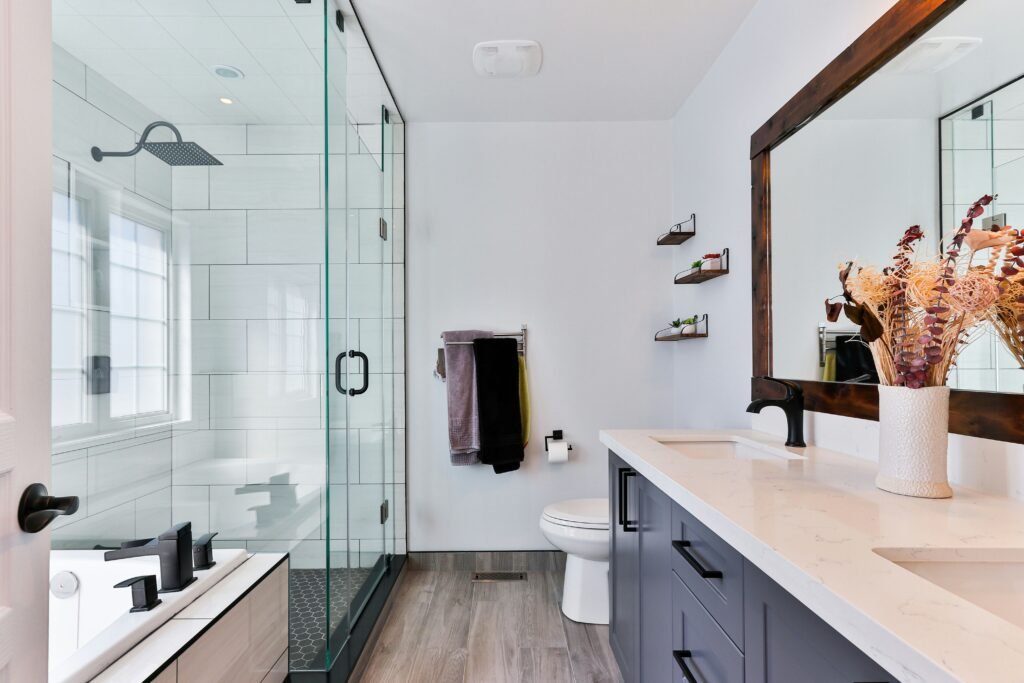
A complete vanity installation may cost anywhere from approximately $1,000 to more than $8,000. Custom cabinetry, multiple sinks, premium countertops, and extensive plumbing changes can increase the price further.
The completed cost may include:
- The vanity cabinet
- Countertop
- Sink or sinks
- Faucet
- Backsplash
- Hardware
- Plumbing connections
- Delivery and installation
Stock vanities are manufactured in standard dimensions and are generally the most affordable. Semi-custom and custom units offer more choices in size, storage, materials, and finishes.
A double vanity costs more than a comparable single vanity because it requires additional cabinetry, countertop space, fixtures, and plumbing. It also needs enough room to provide comfortable access and storage.
How Much Do Bathroom Tile and Flooring Cost?
The cost of tile and flooring depends on the material, total area, installation pattern, surface preparation, and number of corners or custom details.
Simple tile installed in a straightforward pattern usually costs less than mosaics, stone, complicated layouts, or detailed accent walls. Large-format tile may reduce the number of grout lines, but it often requires a flat and carefully prepared surface.
Features such as niches, benches, curbs, borders, and decorative patterns add installation time. Cutting tile around plumbing fixtures and irregular walls also increases labor.
The floor beneath the new material must be stable, level, and free from moisture damage. Deteriorated subflooring should be replaced before new flooring is installed.
Heated bathroom flooring adds comfort but also requires heating components, electrical work, controls, and additional installation. It is generally easier to install during a complete renovation than after new flooring has been completed.
Plumbing Costs and Layout Changes
Keeping the toilet, vanity, shower, and bathtub in their current locations is one of the most effective ways to control bathroom remodeling costs.
Moving a fixture may require supply lines, drainpipes, and venting to be rerouted. Floors or walls may need to be opened, and finished surfaces will have to be repaired afterward.
Relocating a toilet can be particularly expensive because of the size and slope requirements of its waste line. Moving a sink a short distance may be simpler, but the actual difficulty depends on the construction of the home.
A layout change may still be worthwhile when it improves safety, accessibility, storage, or everyday use. Homeowners should request a complete price for the required plumbing, framing, flooring, and finishing work before approving the change.
Electrical and Ventilation Costs
Bathroom electrical work may include new lighting, protected outlets, switches, heated floors, an exhaust fan, or wiring for specialized fixtures.
Wet areas present particular safety concerns, so electrical work must comply with applicable local requirements. Older bathrooms may need electrical updates before new fixtures can be installed safely.
Ventilation is another important part of a bathroom renovation. An effective exhaust fan helps remove moisture produced by bathing and showering. Inadequate ventilation can contribute to peeling paint, persistent odors, condensation, and mold growth.
The fan must be appropriately sized and vented correctly. Releasing moist air into an attic or another enclosed space can move the moisture problem instead of solving it.
Bathroom Permit and Inspection Costs
Permit requirements vary by city, county, and state. Painting or changing cabinet hardware may not require approval, while plumbing, electrical, ventilation, and structural work frequently do.
Permit fees may represent only a small portion of the project budget. However, required plans, inspections, corrections, and licensed trade work can affect both the cost and schedule.
Homeowners should contact their local building department before construction begins. They should confirm:
- Which portions of the project require permits
- Who is responsible for obtaining them
- When inspections must occur
- Which documents need to be submitted
- Whether licensed professionals must complete certain work
Required inspections should be incorporated into the construction schedule. Covering work before an inspection may result in finished materials being removed.
Hidden Bathroom Remodeling Costs
Bathrooms can conceal extensive damage because pipes, drains, and waterproofed surfaces are located behind walls and beneath floors.
Demolition may reveal leaking plumbing, rotted framing, damaged subflooring, mold, corrosion, inadequate waterproofing, or outdated wiring. These problems usually need to be repaired before new finishes are installed.
Other commonly overlooked expenses include material delivery, debris disposal, temporary bathroom arrangements, cleaning, storage, permit fees, design work, and repairs to adjacent rooms.
Our guide to hidden home remodeling costs explains why a renovation budget should include expenses beyond visible fixtures and finishes.
Homes built before 1978 may also contain lead-based paint. Renovation work that disturbs painted surfaces can create hazardous dust. The U.S. Environmental Protection Agency’s lead-safe renovation guidance explains precautions for renovation, repair, and painting projects in older homes.
How Much Contingency Should You Keep?
A bathroom remodeling budget should generally include a contingency of approximately 10% to 20%. Older homes, extensive demolition, or major layout changes may justify a larger reserve.
A homeowner planning a $25,000 bathroom remodel might keep an additional $2,500 to $5,000 available for unexpected work.
The contingency should not be spent on optional upgrades at the beginning of the project. It may be needed for necessary repairs such as:
- Replacing a damaged subfloor
- Correcting leaking plumbing
- Repairing deteriorated framing
- Updating unsafe wiring
- Improving ventilation
- Removing damaged materials
- Addressing problems discovered during an inspection
Unused contingency funds can remain with the homeowner after the renovation is complete.
Can Water-Efficient Fixtures Reduce Household Water Use?
Water-efficient toilets, faucets, and showerheads may reduce household water consumption without requiring major changes to the bathroom layout.
The EPA’s WaterSense bathroom guidance states that a bathroom updated with WaterSense-labeled fixtures can save nearly 10,000 gallons of water each year.
Actual savings depend on the number of household members, how fixtures are used, local utility rates, and the efficiency of the fixtures being replaced.
Homeowners should evaluate performance, durability, maintenance, and installation requirements along with water efficiency. A lower-flow fixture must still be suitable for the home’s plumbing system and the household’s needs.
What Does an Accessible Bathroom Remodel Cost?
An accessible bathroom remodel may cost approximately $20,000 to $50,000 or more. The total depends on the existing layout, the user’s needs, and the amount of structural or plumbing work required.
Possible accessibility improvements include:
- A curbless or low-threshold shower
- Slip-resistant flooring
- Reinforced walls for grab bars
- A built-in shower seat
- Handheld shower controls
- Wider doorways
- Improved lighting
- More usable space around fixtures
- Storage that can be reached comfortably
Accessibility should be considered early in the design process. Reinforcing walls and adjusting floor levels are much easier before tile and finished surfaces are installed.
Federal ADA design standards generally apply to covered public and commercial facilities and do not automatically govern every private residence. Homeowners can still review accessibility principles while consulting appropriate professionals and local building authorities about their individual residential projects.
How to Reduce Bathroom Remodeling Costs
A lower price should not come at the expense of safe plumbing, electrical work, ventilation, or waterproofing. Homeowners can instead look for savings in the design and selection process.
Practical ways to control the budget include keeping the existing layout, using standard-size fixtures, limiting custom tile details, choosing readily available products, and deciding on materials before demolition.
Homeowners should obtain written estimates that explain:
- The complete scope of work
- Materials and product allowances
- Labor responsibilities
- Permit responsibilities
- Demolition and disposal
- Payment schedule
- Project exclusions
- Warranty information
- Procedures for approving changes
Comparing only the total price can be misleading. One estimate may include demolition, permits, painting, and cleanup, while another excludes them.
Following the proper remodeling sequence can also prevent expensive rework. Our guide explaining in what order you should remodel a house shows why structural, plumbing, electrical, and inspection work should be coordinated before finished surfaces are installed.
Preparing for the Remodeling Process
A bathroom remodel can disrupt normal household routines, especially when the home has only one full bathroom.
Homeowners should decide how family members will bathe, prepare for work or school, and access essential plumbing while construction is underway. They may also need to protect nearby rooms from dust and create a safe storage area for delivered materials.
Our guide on how to prepare your home and family for a major remodel provides practical suggestions for managing temporary living arrangements, construction dust, children, pets, and daily routines.
A realistic schedule should include time for design, permit review, product ordering, demolition, inspections, installation, and corrections. Construction is only one part of the overall remodeling timeline.
Is a Bathroom Remodel Worth the Cost?
A bathroom remodel may be worthwhile when it improves safety, comfort, storage, ventilation, water efficiency, or accessibility. It can also provide an opportunity to repair leaks and moisture damage before they spread to other parts of the home.
The financial value of a remodel depends on the local housing market, the condition of the existing bathroom, and the amount spent. A more expensive renovation does not automatically produce an equal increase in property value.
Homeowners expecting to sell soon may benefit from durable, practical improvements with broad appeal. Those planning to remain in the home for many years may place greater value on accessibility, comfort, personal preferences, and long-term usability.
The best budget is one that corrects necessary problems, supports the household’s needs, and avoids spending beyond what the homeowner can comfortably afford.
Frequently Asked Questions
Is $10,000 enough to remodel a bathroom?
A $10,000 budget may cover a limited renovation of a small bathroom when the existing layout, plumbing, shower or bathtub, and flooring remain usable. A complete professionally installed remodel may cost more.
Can you remodel a bathroom for $20,000?
A carefully planned $20,000 budget may cover a standard bathroom remodel using stock or moderately priced materials. Keeping plumbing fixtures in place and avoiding complicated tilework can make the budget more achievable.
What is the most expensive part of a bathroom remodel?
The shower or bathtub area is often one of the largest expenses because it requires plumbing, waterproofing, tile, fixtures, and skilled labor. Layout changes and hidden water damage can also add substantial costs.
Does moving a toilet increase the remodeling cost?
Yes. Moving a toilet may require modifications to the waste line, venting, water supply, subfloor, and finished flooring. The cost depends on the new location and the structure of the home.
How long does a bathroom remodel take?
A straightforward renovation may require several weeks of construction. Major projects can take longer when they involve permits, inspections, custom products, structural repairs, or plumbing changes. Planning and product ordering add time before construction begins.
Does a bathroom remodel require a permit?
Permit requirements vary by location and project scope. Plumbing, electrical, ventilation, and structural changes frequently require approval, while limited cosmetic updates may not. The local building department can confirm the applicable requirements.
Should old plumbing be replaced during a bathroom remodel?
Replacement may be appropriate when pipes are leaking, corroded, improperly installed, or near the end of their useful life. Accessible plumbing should be inspected during demolition before new walls and finishes are installed.
Is a walk-in shower more expensive than a bathtub?
A custom walk-in shower often costs more than installing a standard bathtub because it requires waterproofing, drainage, tilework, plumbing fixtures, and possibly custom glass. A prefabricated shower may be more affordable than a fully tiled design.
Note: All bathroom remodeling costs provided in this article are broad planning estimates and are not guaranteed prices. Actual expenses vary according to location, labor rates, bathroom size, materials, permits, existing conditions, and project scope. Obtain detailed local estimates and consult qualified professionals before making financial or construction decisions.