Raleigh Bathroom Remodel Cost commonly ranges from $15,000 to $45,000 for a professionally managed renovation in 2026. A basic cosmetic update may cost between $7,000 and $15,000, while a large primary bathroom with custom finishes and significant layout changes can exceed $70,000.
A complete remodel of a small or average-size bathroom in Raleigh may cost approximately $18,000 to $35,000. Projects involving structural repairs, extensive tile, custom cabinetry or concealed moisture damage can move beyond that range.
These figures are general planning estimates rather than guaranteed quotations. The actual cost depends on the bathroom’s size, age, condition, layout, material selections, permit requirements and contractor availability.
Raleigh Bathroom Remodel Cost by Project Level
| Project level | Typical 2026 planning range | Common scope |
|---|---|---|
| Cosmetic bathroom update | $7,000–$15,000 | Paint, lighting, mirror, hardware, vanity and limited fixture updates |
| Small full bathroom remodel | $15,000–$30,000 | New flooring, vanity, fixtures, tile and tub or shower updates |
| Mid-range bathroom remodel | $28,000–$50,000 | Full demolition, upgraded finishes, improved storage and moderate layout changes |
| Primary bathroom remodel | $40,000–$75,000 | Larger shower, double vanity, extensive tile and premium materials |
| High-end custom remodel | $70,000–$110,000 or more | Major layout changes, custom cabinetry, structural work and luxury finishes |
A small bathroom may cost more than expected if demolition reveals damaged subflooring or previous improper work. A larger room can sometimes remain near the middle of the range when the layout stays unchanged and standard materials are selected.
Homeowners should use these figures to establish an initial budget and then obtain detailed estimates for the specific Raleigh property.
What an Average Raleigh Bathroom Remodel Includes
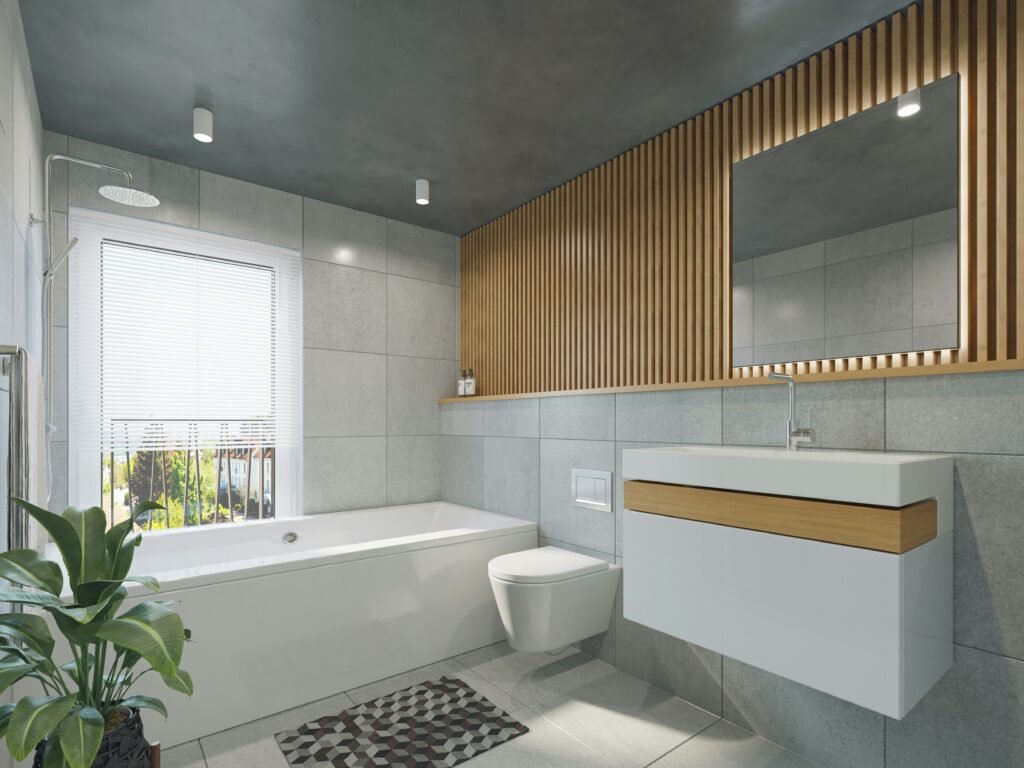
A mid-range bathroom remodel normally involves removing the existing finishes and fixtures, preparing the room and installing a new vanity, countertop, sink, toilet, flooring, lighting and wall finishes.
The project may also include a new bathtub or shower, waterproofing, tile, ventilation improvements, paint, trim and accessories. Labor is required for demolition, disposal, surface preparation, installation, inspections and cleanup.
Not every contractor includes the same work. One proposal may cover both labor and materials, while another excludes fixtures, tile, permits, painting or debris removal.
A quoted price cannot be evaluated properly without reviewing the scope behind it. Homeowners should compare what each contractor intends to provide rather than looking only at the totals.
Cosmetic Bathroom Updates in Raleigh
A cosmetic update may cost between $7,000 and $15,000 when the existing bathroom remains functional and most of the underlying construction is retained.
The project may involve painting, replacing the vanity and countertop, updating the mirror and lighting and installing new hardware. It may also include limited fixture replacement without changing the room’s layout.
This approach works best when the bathroom has no evidence of water damage, failing waterproofing, unsafe electrical work or deteriorated flooring.
A room should not be classified as cosmetic simply because the homeowner wants to control the budget. If the tub or shower is leaking, installing new flooring and paint will not resolve the underlying problem.
Small Bathroom Remodel Costs
A small hall, guest or children’s bathroom in Raleigh may cost approximately $15,000 to $30,000 for a complete renovation.
Limited square footage does not remove the need for specialized labor. Demolition, waterproofing, electrical work, tile installation, painting and finish carpentry must still be completed in sequence.
A small room may also provide limited working and storage space. Different trades might not be able to work at the same time, and materials may need to be stored elsewhere in the house.
The project may remain closer to the lower end of the range when the fixtures stay in place and standard finishes are used. Custom tilework, structural repairs and layout changes can move the price upward quickly.
Raleigh Primary Bathroom Remodel Costs
A primary bathroom remodel in Raleigh may cost approximately $40,000 to $75,000. High-end custom projects can exceed $100,000.
Primary bathrooms generally include more floor area, a larger shower, greater storage and a double vanity. Homeowners may also request freestanding tubs, heated floors, custom glass, specialty lighting or extensive tile.
The selected finish level can affect the total as much as the room’s size. Stock cabinetry and conventional tile may keep the project within a moderate range. Custom millwork, natural stone and intricate installation details can add substantial material and labor costs.
The contractor’s allowances should reflect the homeowner’s actual expectations. A low fixture or tile allowance may create an attractive initial estimate but lead to expensive change orders after selections begin.
Raleigh Labor Costs and Contractor Availability
Raleigh and the wider Triangle have experienced considerable residential growth. Demand for qualified contractors and specialized trades can affect both pricing and scheduling.
A complete bathroom remodel may require coordination among demolition workers, carpenters, electricians, tile installers, painters and other specialists. Each stage may depend on inspections or completion of earlier work.
Labor costs also cover activities that are not obvious in the finished room. Protecting the house, carrying materials, preparing surfaces, removing debris and correcting uneven existing construction all require time.
Homeowners should not evaluate labor based only on the lowest proposed price. A carefully defined scope and realistic schedule can be more valuable than an estimate that leaves essential work unclear.
Keeping the Existing Layout Can Control Costs
Retaining the toilet, vanity, tub and shower in their current positions is one of the most effective ways to control Raleigh Bathroom Remodel Cost.
Moving fixtures may require additional demolition, framing changes, design work and inspections. The work can become particularly complicated when connections are beneath a concrete slab or an inaccessible section of the floor.
Homes with crawlspace access may provide more flexibility, but the condition and direction of the framing can still restrict the new layout.
A layout change can be worthwhile when it improves accessibility, clearances or daily use. Its complete cost should be identified before cabinets, fixtures and finishes are ordered.
Housing Age Creates Different Remodeling Challenges
Raleigh bathrooms are found in homes built during many different periods.
Older neighborhoods such as Oakwood, Boylan Heights, Five Points, Mordecai and areas near downtown contain properties where bathrooms may have been modified repeatedly. Demolition can reveal uneven framing, multiple flooring layers, obsolete materials or undocumented repairs.
Mid-century homes may contain compact bathrooms designed around smaller fixtures. Enlarging them can require moving walls, changing doorways or taking space from a nearby closet.
Newer homes in North Raleigh and surrounding communities may have larger primary bathrooms, but extensive tile, oversized showers and multiple fixtures can increase the total budget.
The article’s average range should therefore be adjusted according to the age and design of the particular home.
Crawlspace and Slab Foundations Affect the Scope
Raleigh homes may be built over crawlspaces, concrete slabs or a combination of foundation types.
A crawlspace can provide access beneath the bathroom, but moisture or framing damage may complicate the work. Damaged joists, an uneven subfloor or inadequate support should be addressed before installing tile or heavy fixtures.
A slab foundation may limit access to concealed connections. Moving major fixtures can require opening and later repairing concrete, increasing both labor and disruption.
The foundation type should be confirmed during planning. Homeowners should not assume that a layout shown in a design rendering can be built economically without examining what lies beneath the floor.
Moisture Conditions Can Increase the Budget
Bathrooms are exposed to water every day, and concealed moisture can substantially increase renovation costs.
Demolition may reveal damaged subflooring, deteriorated framing, stained insulation or previous repairs around the shower, bathtub or toilet. Long-term moisture can also affect rooms or crawlspaces below the bathroom.
Musty odors, soft flooring, loose tile and recurring caulk failure deserve investigation before the final scope is approved.
When concealed conditions are uncertain, carefully targeted opening work may help define the repairs. TCR’s guide to exploratory demolition before a remodel explains how early investigation can reduce major surprises during construction.
Waterproofing Is an Essential Cost
Finished tile and grout are not the bathroom’s only protection against water. A properly designed waterproofing assembly behind the visible surfaces is essential.
The proposal should explain which areas will be waterproofed, how corners and transitions will be handled and what must occur before tile installation begins.
Homeowners should be cautious when a quote provides extensive information about decorative finishes but says little about waterproofing or substrate preparation.
A failure behind the tile may not become visible immediately. By the time staining or softness appears, correcting the problem could require removing newly installed materials.
Materials Can Move the Project Into a Higher Tier
Material choices can change a Raleigh bathroom budget quickly.
A stock vanity may cost significantly less than custom cabinetry. Standard tile sizes and simple patterns generally require less installation time than mosaics, oversized panels or complex layouts.
Some materials create expenses beyond their purchase price. Heavy surfaces may need stronger support, detailed tile patterns can increase waste and specialty fixtures may require extra preparation.
The contractor’s estimate should include realistic allowances for tile, cabinetry, countertops, fixtures, lighting, mirrors and hardware. Homeowners should understand whether each allowance includes delivery and installation or only the product.
Selections should be verified before they are installed. TCR’s article on verifying remodeling materials explains why product identity, dimensions, condition and quantity should be confirmed early.
Downtown Raleigh Condos Have Additional Requirements
A bathroom remodel in a downtown Raleigh condominium can involve costs that do not apply to a detached home.
The association may require advance approval, contractor insurance, restricted working hours, elevator reservations and protection of common areas. Building management may also control deliveries, debris removal and access for different trades.
These requirements can increase labor time and administrative work. They may also influence which materials can be brought through elevators and corridors.
Homeowners should obtain the building’s alteration rules before requesting final contractor estimates. Association approval does not replace government permits, and both processes may apply.
Permits and Inspections in Raleigh
Permit requirements depend on the work being performed.
A surface-level update may be treated differently from a renovation that changes walls or alters electrical, mechanical or plumbing systems. The City of Raleigh provides residential permit and inspection information through its official permits portal.
Homeowners should confirm the current requirements for the property and project before construction begins. The contractor’s agreement should identify who will submit applications, schedule inspections, correct rejected work and provide final documentation.
The permit fee itself may represent only a small part of the budget. Plan preparation, inspection corrections and code-related improvements can have a larger effect on the final cost.
Costs Commonly Missing From Early Estimates
A preliminary proposal may not include design services, permits, testing, demolition, disposal, delivery charges, painting or final cleaning.
Fixtures and finish materials may be represented by allowances rather than fixed selections. If the homeowner chooses products costing more than those allowances, the project total will increase.
Surface preparation is another common source of confusion. Tile installation may be included while repairs needed to make the wall or floor suitable for tile remain excluded.
Temporary bathroom arrangements can also create indirect costs. When the property has only one bathroom, the household may need temporary facilities or accommodation elsewhere.
The proposal should state whether taxes, supervision, overhead and contractor profit are included.
Setting an Appropriate Contingency
A contingency of approximately 10% to 20% may be reasonable for many Raleigh bathroom remodels.
A straightforward renovation in a newer home with accessible construction may justify a smaller reserve. An older property, major layout change or uncertain moisture history may require a larger one.
The contingency should remain available for unforeseen conditions. It should not be committed to decorative upgrades before demolition begins.
Additional work should still be explained and documented. The contractor should describe the discovered condition, proposed correction, added cost and scheduling effect before proceeding whenever circumstances allow.
TCR’s home remodeling budget guide explains how homeowners can separate the base scope, material allowances, optional upgrades and contingency.
Comparing Raleigh Bathroom Remodeling Estimates
Contractors should price the same written scope. Otherwise, the homeowner may be comparing different rooms at different finish levels.
A useful estimate should address demolition, disposal, waterproofing, surface preparation, fixtures, cabinetry, tile, flooring, electrical work, ventilation, painting, permits and cleanup.
Allowances and exclusions should be easy to identify. If an important item does not appear in the proposal, the homeowner should not assume it is included.
Payment terms should correspond with measurable progress rather than dates alone. The contract should also explain how change orders and material delays affect the schedule.
A detailed proposal may have a higher initial total because it includes work that a shorter estimate leaves undefined.
Reducing Raleigh Bathroom Remodel Cost
The budget can be controlled without compromising essential construction.
Keeping the existing layout may reduce system-related and structural work. Standard-size materials, available fixtures and a straightforward tile pattern can lower purchasing and installation costs.
A serviceable bathtub or recently installed fixture may be retained when it fits the new design. Mirrors, hardware, accessories and paint can also be upgraded later without opening walls.
Waterproofing, structural repairs, electrical safety, ventilation and surface preparation should receive priority. These components affect the bathroom’s performance after the visible renovation is complete.
How Long a Raleigh Bathroom Remodel Takes
A straightforward bathroom remodel may require approximately four to eight weeks of active construction after planning, material selection and permits are complete.
A cosmetic update may take less time, while a custom primary bathroom or project involving repairs can take longer.
The total project schedule should also account for contractor availability, design, permit review and material delivery. These activities may add several weeks before demolition begins.
Homeowners should avoid removing a working bathroom until essential materials are available. A missing vanity, tub, tile order or shower component can interrupt the construction sequence and leave the room unusable.
Planning a Realistic Raleigh Bathroom Budget
A limited update may begin between $7,000 and $15,000. A complete small bathroom renovation may cost approximately $15,000 to $30,000.
Mid-range projects commonly require $28,000 to $50,000, while larger primary bathroom remodels may range from $40,000 to $75,000. Custom work can exceed $100,000.
Raleigh Bathroom Remodel Cost should ultimately be based on the property, room condition, selected materials, permit requirements and detailed contractor scope—not a statewide or national average alone.
Homeowners should finalize important selections, confirm what the estimate includes and maintain an appropriate contingency before construction begins.
The goal is not simply to find the lowest opening price. It is to create a complete budget that accounts for the visible design and the construction required to support it.
Remodeling Note: The prices in this article are general 2026 planning estimates and are not contractor quotations. Raleigh Bathroom Remodel Cost, labor availability, material prices and permit requirements can vary by property and may change over time. Obtain current written estimates and confirm applicable requirements with the City of Raleigh before beginning construction.