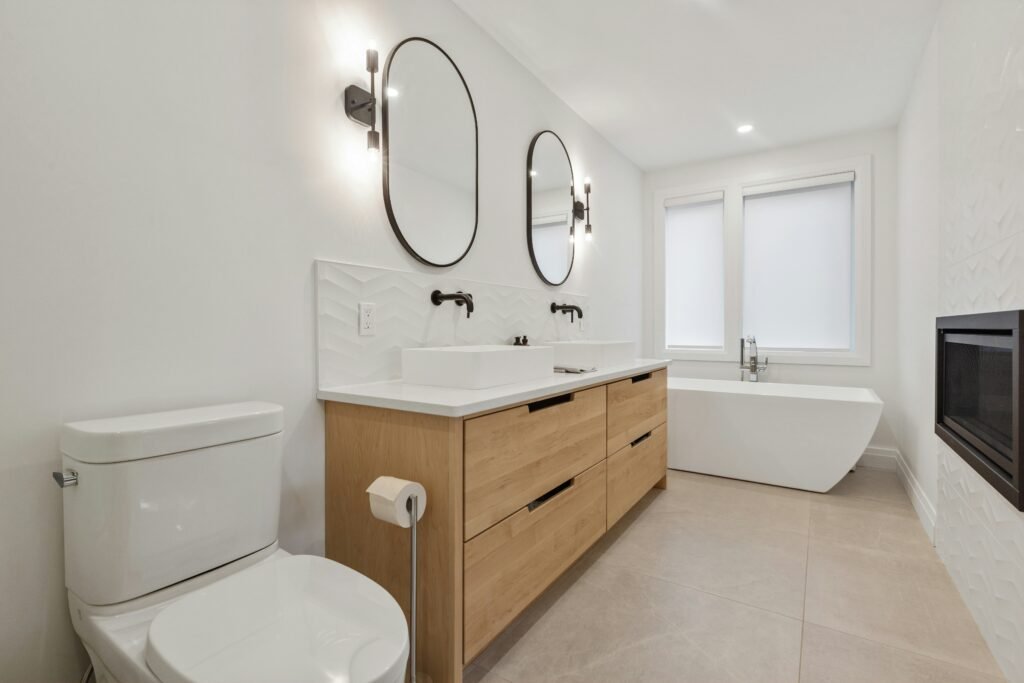
Charlotte Bathroom Remodel Cost commonly ranges from $15,000 to $40,000 for a professionally managed renovation in 2026. A small cosmetic update may cost between $6,000 and $15,000, while a large primary bathroom with custom finishes and major layout changes can exceed $60,000.
A complete remodel of a small or average-size bathroom in Charlotte may cost approximately $18,000 to $35,000. Larger rooms, premium materials, structural repairs and extensive fixture relocation can push the total considerably higher.
These figures are planning estimates rather than guaranteed contractor prices. The actual cost to remodel a bathroom in Charlotte, NC depends on the room’s condition, project scope, labor requirements, material choices and permit needs.
Charlotte Bathroom Remodel Cost by Project Level
| Project level | Typical 2026 cost range | Likely scope |
|---|---|---|
| Cosmetic bathroom update | $6,000–$15,000 | Paint, vanity, mirror, lighting, hardware and minor fixture updates |
| Small full bathroom remodel | $15,000–$28,000 | New fixtures, flooring, vanity, tile and tub or shower updates |
| Mid-range bathroom remodel | $25,000–$45,000 | Full demolition, upgraded fixtures, new tile, storage and moderate layout changes |
| Primary bathroom remodel | $35,000–$65,000 | Larger shower, double vanity, extensive tile and premium finishes |
| High-end custom remodel | $60,000–$100,000 or more | Major layout changes, custom cabinetry, structural work and luxury materials |
A bathroom may fall outside these ranges. A small room with serious water damage can cost more than a larger bathroom receiving only surface-level improvements.
The most reliable estimate is based on a written scope prepared for the particular home rather than a price-per-square-foot calculation alone.
What Does a Bathroom Remodel Cost in Charlotte?
For many Charlotte homeowners, a practical starting budget is approximately $25,000 to $35,000 for a complete mid-range bathroom renovation.
That budget may cover demolition, disposal, a standard vanity, countertop, sink, toilet, tub or shower, tile, flooring, lighting, ventilation, waterproofing, paint and finish carpentry. It may also include the labor needed to coordinate the different trades.
Whether all these items are included depends on the contractor’s proposal. Some estimates include both labor and materials, while others exclude tile, fixtures, design, permits, painting or debris removal.
Homeowners should compare what is included in each estimate rather than looking only at the final totals.
Cosmetic Bathroom Update Cost
A cosmetic bathroom update in Charlotte may cost approximately $6,000 to $15,000.
This type of project generally retains the existing layout, shower or bathtub and most of the underlying construction. The work may involve painting, replacing the vanity and countertop, installing a new mirror, updating lighting and changing hardware.
Cosmetic remodeling can be appropriate when the bathroom is functional, dry and structurally sound. It is less suitable when there are signs of damaged flooring, inadequate ventilation, failing waterproofing or a concealed leak.
New surfaces can improve the room’s appearance, but they cannot correct problems beneath the finishes. Existing conditions should be investigated before the project is defined as cosmetic.
Small Bathroom Remodel Cost in Charlotte
A small hall or guest bathroom may cost between $15,000 and $28,000 for a complete renovation.
Although the room has limited square footage, it still requires several stages of work. Demolition, surface preparation, waterproofing, electrical work, tile installation, painting and finish carpentry must be completed in the correct sequence.
A smaller room does not always mean proportionally lower labor costs. Contractors still need to protect the house, remove debris, coordinate trades and complete applicable inspections.
Limited working space can also affect productivity. Only one trade may be able to work comfortably in the room at a time, potentially extending the schedule.
Charlotte Primary Bathroom Remodel Cost
A Charlotte primary bathroom remodel may cost approximately $35,000 to $65,000. Custom projects can exceed $75,000.
Primary bathrooms often contain more tile, a larger shower, a double vanity, additional lighting and greater storage requirements. Homeowners may also request a freestanding tub, custom cabinetry, heated floors or specialty glass.
The size of the room matters, but the selected finish level can have an even greater effect. Standard fixtures and a straightforward layout may keep the project near the lower end of the range. Custom surfaces, detailed tilework and substantial layout changes can move it toward the higher end.
A realistic proposal should reflect the quality level the homeowner actually expects. Low allowances can make an estimate appear affordable while transferring major expenses into later upgrades.
Labor Is a Major Part of the Project Cost
Charlotte has an active construction market, and demand for experienced remodeling contractors can influence both price and availability.
A bathroom remodel may involve demolition workers, carpenters, tile installers, electricians, painters and other specialists. Even a relatively small room requires coordination among several trades.
Labor costs also include work that is not obvious in the completed bathroom. Protecting floors, carrying materials through the house, preparing surfaces, disposing of debris and correcting uneven existing conditions all require time.
The lowest labor proposal is not necessarily the best value. Improper waterproofing, weak surface preparation or rushed installation can create failures that are costly to correct.
Homeowners should compare qualifications, scope, scheduling, documentation and communication alongside the quoted price.
Keeping the Existing Layout Can Reduce Costs
Retaining the existing fixture positions is one of the most effective ways to control Charlotte Bathroom Remodel Cost.
Moving the toilet, shower, bathtub, vanity, doorway or wall can increase design, demolition, labor and permit requirements. The work may also affect framing or require access through a concrete slab, crawlspace or finished ceiling below.
A layout change may still be worthwhile if the existing bathroom has poor clearances, inadequate storage or accessibility problems. The full cost should be identified before the new arrangement is approved.
When the basic layout remains unchanged, more of the budget can be directed toward durable finishes, better lighting, improved ventilation and useful storage.
Materials Can Change the Budget Quickly
Bathroom materials are available across a wide range of prices.
A stock vanity may cost far less than custom cabinetry. Standard tile can be easier to install than mosaics, oversized panels or detailed patterns. A conventional tub may require less labor than a large custom shower.
The purchase price is only part of the cost. Certain materials require additional preparation, specialized installation, more waste or stronger structural support.
The estimate should include realistic allowances for tile, cabinetry, countertops, fixtures, lighting, mirrors and hardware. Homeowners should verify whether allowances cover only the product or also include delivery, installation and related materials.
Selections should be made early enough to confirm availability and dimensions. TCR’s guide to verifying remodeling materials before installation explains why homeowners should check approved products before they are permanently installed.
Waterproofing Should Be Included Clearly
Tile and grout should not be treated as the bathroom’s only defense against water. The concealed waterproofing assembly and properly prepared surfaces help protect the framing and surrounding surrounding rooms.
The contractor’s proposal should identify where waterproofing will be installed, which system is included and how the work will be verified before tile covers it.
A lower estimate may leave waterproofing unclear or treat necessary preparation as additional work. Homeowners should resolve this issue before signing the contract.
Water intrusion may develop gradually behind the finished surfaces. By the time staining, softness or odors become noticeable, repairs could require removing newly installed tile and fixtures.
Crawlspace Conditions Can Affect a Charlotte Bathroom
Many Charlotte homes have crawlspaces beneath part or all of the structure. Moisture, damaged joists or inadequate support below the bathroom can affect the renovation above.
Tile requires a stable and properly prepared base. Installing it over weakened or moving framing may contribute to cracked grout, loose tile and uneven flooring.
Musty odors, soft spots, repeated caulk failure, stains and floor movement should be investigated before the final scope is approved. A serious crawlspace moisture problem should not be ignored simply because it sits outside the visible bathroom.
The initial remodeling estimate may not include repairs to joists, subflooring or moisture-damaged materials. A suitable contingency can help the homeowner prepare for conditions discovered during demolition.
Older Charlotte Homes May Cost More to Remodel
Established Charlotte neighborhoods such as Dilworth, Elizabeth, Myers Park, Plaza Midwood, Chantilly and Wesley Heights contain homes from different construction periods.
Bathrooms in older properties may have been renovated several times. Demolition can expose layered flooring, uneven walls, patched framing, obsolete materials or previous alterations with limited documentation.
Older homes may also require additional work involving ventilation, electrical components, structural support or damaged subfloors. These issues can increase the bathroom renovation cost even when the intended design appears straightforward.
Limited investigation may be worthwhile when the conditions behind the finishes are uncertain. TCR’s article about exploratory demolition before a remodel explains how selected openings can help define the scope before major construction begins.
Condo Bathroom Remodeling Costs
Bathroom remodeling in a Charlotte condominium may involve costs and restrictions that do not apply to a detached house.
An association may require advance approval, proof of contractor insurance, restricted working hours, elevator reservations and protection of common areas. The contractor may also have to follow specific procedures for deliveries, debris removal and temporary service interruptions.
These requirements can increase labor time and administrative costs. They may be particularly relevant in Uptown, South End and other areas with condominium and high-rise properties.
Homeowners should obtain the building’s renovation rules before requesting final estimates. The contractor cannot price access, protection and scheduling requirements accurately without reviewing them.
Association approval and government permits are separate matters. Depending on the scope, both may be required.
Charlotte and Mecklenburg County Permit Costs
Permit requirements depend on the type of work performed rather than the bathroom’s size alone.
Charlotte’s official Residential Permits Quick Guide explains that permits may be necessary when a project changes load-bearing elements or alters electrical, mechanical or plumbing systems, even when the project falls below the general cost threshold described in the guide.
Residential building-code administration and inspections in Charlotte are generally handled through Mecklenburg County. Additional city review may apply depending on the property and project.
The homeowner should confirm current requirements for the exact address. The agreement should identify who will obtain permits, schedule inspections, correct rejected work and provide final records.
Permit charges may represent only a small portion of the total budget, but plan revisions, additional labor and code-related corrections can have a larger financial effect.
Costs That May Be Missing From an Initial Estimate
A preliminary proposal may not include every expense required to complete the bathroom.
Design services, permits, demolition, disposal, delivery, testing, surface preparation, painting and final cleaning may be excluded. Fixtures and finish materials may also be listed as allowances rather than fixed selections.
The homeowner should determine whether taxes, overhead, supervision and contractor profit are included. Small installation materials can also add up when they are omitted from the main proposal.
If the home has only one bathroom, temporary accommodation or alternative facilities may create an indirect expense. A longer-than-expected construction schedule can increase that cost.
Every exclusion should be reviewed before the contractor is selected.
How Much Contingency Should Be Reserved?
A contingency equal to approximately 10% to 20% of the planned cost may be appropriate for many Charlotte bathroom remodels.
A newer bathroom with accessible construction and a simple scope may justify a smaller reserve. An older home, uncertain moisture history or significant layout change may require a larger one.
The contingency should remain available for genuinely unforeseen conditions. It should not be committed to decorative upgrades before demolition begins.
Additional work should still be documented. The contractor should describe the discovered condition, recommended correction, cost and scheduling effect before proceeding whenever circumstances permit.
TCR’s guide to creating a realistic home remodeling budget explains how to separate the base scope, allowances, optional upgrades and unexpected work.
Comparing Charlotte Bathroom Remodeling Estimates
Each contractor should receive the same written description of the proposed bathroom. Without a consistent scope, homeowners may be comparing different projects.
A detailed proposal should address demolition, disposal, preparation, waterproofing, tile, flooring, fixtures, cabinetry, electrical work, ventilation, painting, permits and cleanup.
It should also identify allowances and exclusions. If an important item is not mentioned, the homeowner should not assume that it is included.
Payment terms should correspond with measurable progress rather than calendar dates alone. The contract should explain how change orders are approved and how material delays or homeowner-requested changes affect the completion date.
A short estimate with a lower total may leave more expenses unresolved than a detailed proposal with a higher initial price.
Reducing Charlotte Bathroom Remodel Cost
Homeowners can manage the budget without weakening the essential construction.
Keeping the existing layout can reduce demolition and system-related work. Standard-size tile, a stock vanity and readily available fixtures may lower both purchasing and installation costs.
A straightforward tile pattern usually requires less labor and material waste than a complex layout. Retaining a serviceable tub or recently installed fixture can also be practical when it fits the new design.
Decorative elements such as mirrors, hardware, accessories and paint are easier to upgrade later. Structural repairs, waterproofing, ventilation, electrical safety and properly prepared surfaces should receive priority because they affect the bathroom’s long-term performance.
How Long Does a Charlotte Bathroom Remodel Take?
A straightforward bathroom remodel may require approximately four to eight weeks of active construction after planning, selections and permits are complete.
Cosmetic updates may take less time. Large primary bathrooms, custom materials, structural repairs and major layout changes may take longer.
The total schedule should include more than the days spent working inside the room. Design, contractor availability, material ordering, permit review and inspections may add time before construction begins.
Long-lead products should be ordered early and verified before demolition whenever practical. Starting without critical materials can leave the household without a functioning bathroom for longer than necessary.
A Realistic Charlotte Bathroom Remodeling Budget
A Charlotte homeowner planning a limited cosmetic update may begin with approximately $6,000 to $15,000. A complete small bathroom remodel may require $15,000 to $28,000.
A mid-range bathroom renovation may fall between $25,000 and $45,000, while a primary bathroom can cost $35,000 to $65,000. High-end custom work may exceed $75,000.
Charlotte Bathroom Remodel Cost should ultimately be based on the property, room condition, written scope, contractor pricing, permit requirements and selected materials—not on a statewide or national average alone.
Before signing a contract, homeowners should confirm what is included, finalize important selections, check material availability and maintain a contingency for uncertain conditions.
A successful Charlotte bathroom remodel does not necessarily require the most expensive products. It requires a realistic budget and sufficient attention to the construction that will remain behind the finished surfaces.
Remodeling Note: The prices provided are general 2026 planning estimates and are not contractor quotations. Charlotte Bathroom Remodel Cost, permit requirements, labor availability, taxes and material prices can vary across Charlotte and Mecklenburg County and may change over time. Obtain current written estimates and confirm applicable permit requirements before beginning construction.