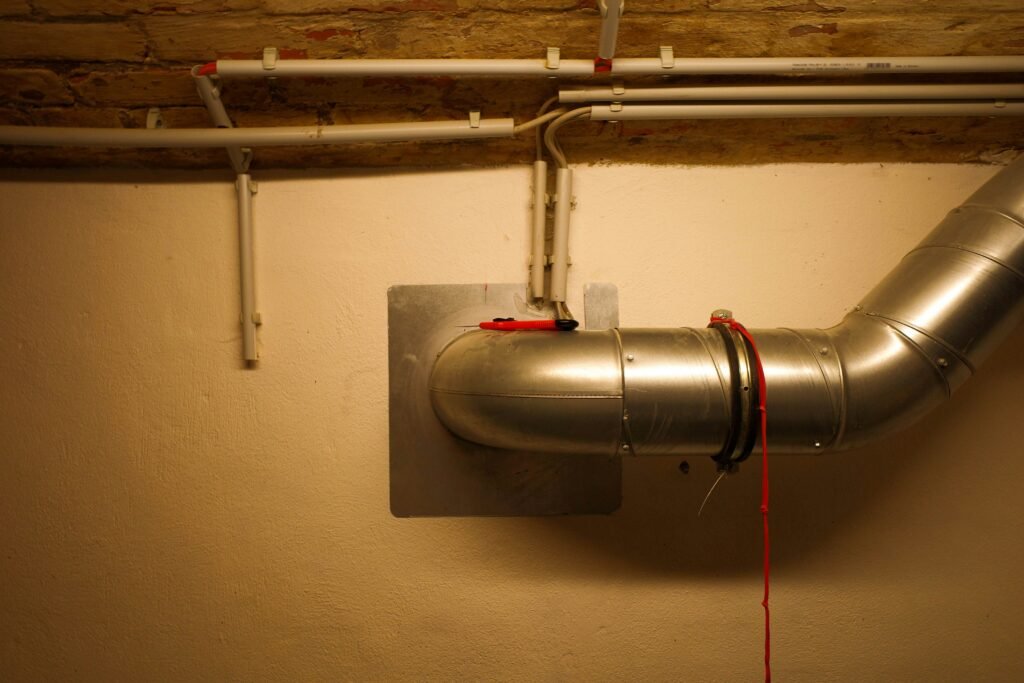
Removing an old cabinet, floor covering or section of drywall may reveal pipes that do not appear to connect to anything. Some are capped, others disappear into a wall or concrete slab, and their original purpose may not be obvious.
Mystery Pipes should never be cut, opened or removed based on appearance alone. A seemingly abandoned pipe could still contain gas or water, connect to an active drainage or ventilation system, or serve another part of the house. Work near the discovery should pause until a qualified professional identifies the pipe and confirms what can safely be done with it.
Why Do Old Houses Have Unexplained Pipes?
Homes change over time. Kitchens are rearranged, heating systems are replaced, bathrooms are added, appliances move and additions alter the original layout. Contractors may disconnect a pipe at one end while leaving the remaining section inside a wall, floor or ceiling.
Common explanations include:
- A former gas connection for a stove or heater
- Old water-supply lines
- Abandoned radiator or boiler piping
- A drain or plumbing vent
- A former oil-heating line
- Pipes serving a removed sink or laundry connection
- An unused branch installed for a future fixture
- Part of an old well or cistern system
- Conduit used to protect wiring
- A pipe that still serves another room
Previous remodeling work may not have been documented. Even when permits were obtained, the available drawings might not show every pipe or later alteration.
Stop Work Around the Pipe
The first step is to avoid disturbing the discovery. Do not loosen the cap, drill into the pipe, strike it with a tool or attempt to test it by creating a small opening.
Pause demolition in the immediate area and tell the contractor or project manager. Protect the pipe from falling debris, saw blades, screws and other construction activity.
Take photographs showing:
- The entire area
- The pipe’s location within the room
- Where it enters a wall, floor or ceiling
- Its cap, valve or fitting
- Any markings or labels
- Nearby appliances and plumbing fixtures
- Visible connections in adjoining spaces
Measure the pipe’s position from fixed reference points. This documentation can help a professional trace it and should be retained if the pipe is later concealed.
Treat It as Active Until Proven Otherwise
A capped pipe is not necessarily inactive. The cap may be the only component preventing gas, water, sewer gas or another substance from entering the room.
Do not rely on assumptions such as:
- The pipe looks too old to be active
- The previous appliance was removed
- There is no nearby fixture
- The valve appears closed
- The cap has been in place for years
- The pipe does not match newer pipes in the house
An abandoned branch may remain connected to an active system farther upstream. A professional must verify where it leads and whether it has been properly disconnected.
What Mystery Pipes Might Be
Appearance and location can provide clues, but they are not sufficient for a final identification.
| Possible pipe type | Common clues | Why identification matters |
|---|---|---|
| Gas line | Metal pipe near a former stove, heater or fireplace | It may remain connected to an active fuel supply |
| Water-supply line | Copper, galvanized steel, plastic or other approved plumbing material | Opening it could release pressurized water |
| Drain line | Larger-diameter pipe near a kitchen, bathroom or laundry area | It may carry wastewater or allow sewer gas to enter |
| Plumbing vent | Pipe running vertically toward the roof | Removing it could interfere with drainage and venting |
| Heating pipe | Located near former radiators, boilers or baseboard heating | It may connect to an active or abandoned heating loop |
| Oil line | Small tubing near an old furnace or tank location | Residual fuel or an active connection may be present |
| Electrical conduit | Pipe leading toward electrical equipment | Cutting it could damage energized wiring |
| Well or cistern pipe | Runs underground or toward an older water system | It may connect to buried equipment or contaminated water |
| Structural component | Metal post or sleeve that resembles a pipe | Removing it could affect the building structure |
Materials, sizes and installation practices vary by the age and location of the house. A pipe should not be identified solely from a photograph or online comment.
What to Do If You Smell Gas
A rotten-egg or sulfur-like odor, hissing sound, blowing dust or damaged gas pipe may indicate a leak. Do not try to find the source or operate electrical switches and equipment nearby.
Leave the area immediately and call 911 from a safe location. Notify the gas utility or appropriate emergency service as directed. The federal Pipeline and Hazardous Materials Safety Administration advises people to leave the area and avoid trying to locate the source of a suspected pipeline leak.
Do not return until emergency responders or the utility say it is safe.
Who Should Identify the Pipe?
The appropriate professional depends on where the pipe is located and what it may carry.
A licensed plumber can evaluate water, drainage and plumbing-vent lines. A qualified gas professional or utility representative may be needed for a possible gas connection. Heating contractors can help trace boiler, radiator or oil-system piping. An electrician should evaluate suspected electrical conduit.
A structural professional may be necessary when the object could be part of the building’s support system or when removal would require altering structural materials.
The professional may use:
- Visual inspection
- Existing plans and permit records
- Pipe-tracing equipment
- Inspection cameras
- Pressure or leak testing
- Utility shutoff verification
- Access from a basement, attic or crawl space
- Examination of connected equipment
- Carefully planned exploratory openings
Identification may require cooperation among more than one trade. Do not ask a worker to modify a system outside that worker’s qualifications or license.
Check Available Property Records
Original plans, permit records and previous renovation documents may explain the pipe. Useful sources can include:
- Building department records
- Plumbing or mechanical permits
- Inspection reports
- Previous remodeling plans
- Seller disclosures
- Appliance installation records
- Utility records
- Maintenance invoices
- Photographs taken before earlier renovations
Records may be incomplete, especially for older houses, but they can provide useful context. Compare the documented layout with current conditions rather than assuming the plans remain accurate.
Can the Pipe Be Left in Place?
A properly abandoned pipe may sometimes remain concealed if it does not interfere with the remodel. Leaving it in place could avoid unnecessary damage to framing, concrete and finished areas.
Before covering it, confirm:
- The pipe has been positively identified
- It is disconnected from any active system where required
- Its termination method complies with applicable requirements
- It will not collect water or create an odor pathway
- It does not compromise fire blocking or air sealing
- It will not interfere with new utilities
- It is protected from fasteners
- Its location has been documented
Simply hiding a pipe behind drywall or cabinetry without determining what it does can create a problem for future owners and contractors.
When Should It Be Removed?
Removal may be appropriate when the pipe:
- Conflicts with the new floor plan
- Creates a trip or impact hazard
- Prevents cabinets or fixtures from fitting correctly
- Is corroded, leaking or damaged
- Connects to equipment being removed
- Occupies space needed for new plumbing or wiring
- Cannot be safely concealed
- Is part of an obsolete system that is being professionally decommissioned
Complete removal may not be necessary. A professional might disconnect the pipe at a verified source, remove the obstructing section and properly abandon the remainder.
The decision should account for access. Pulling a long pipe through finished walls may cause more damage than safely leaving an inactive section in place.
Do Not Bury an Unverified Pipe in Concrete
Mystery Pipes discovered in or beneath a floor require particular care. Pouring new concrete, installing flooring or placing cabinets over an unidentified pipe can make future inspection and repair much more difficult.
Before covering the area, determine whether the pipe:
- Is active
- Requires access
- Could leak or corrode
- Is connected to a drain or vent
- Must be removed under local rules
- Needs protection from concrete
- Should be rerouted
- Requires inspection before concealment
If the remodeling project includes excavation outdoors, contact 811 or the appropriate local utility-location service before digging. The 811 service coordinates marking for participating underground utilities, although private lines may require separate locating.
Could the Pipe Contain Hazardous Materials?
Older plumbing and mechanical systems can introduce concerns beyond immediate leaks. A pipe or its surrounding materials may contain or be associated with:
- Lead
- Asbestos-containing insulation
- Residual heating oil
- Corrosion products
- Contaminated water
- Mold or moisture damage
- Old sealants or coatings
Do not grind, sand or demolish pipe insulation until potentially hazardous materials have been evaluated.
Lead plumbing is more likely in older homes and communities. The Environmental Protection Agency recommends testing drinking water when lead exposure is a concern and provides information about identifying lead service lines.
How the Discovery Can Affect Your Remodel
Identifying and addressing an unknown pipe can affect the project even when no serious defect is found.
Possible consequences include:
- Additional inspection costs
- Exploratory demolition
- Plumbing or mechanical work
- Revised cabinet dimensions
- Changes to the flooring plan
- Permit revisions
- Material delays
- Wall or floor repairs
- Additional testing
- Schedule extensions
Ask the contractor to explain the discovery in writing and provide a proposed solution before performing additional work. If it changes the contracted scope, the change order should describe the labor, materials, cost and schedule effect.
The discovery is the type of concealed condition that exploratory demolition may sometimes reveal before the main construction phase begins.
Document the Pipe Before It Is Covered
Once the pipe has been identified and addressed, create a permanent record. Include:
- Photographs before and after the work
- The pipe’s identified purpose
- Who inspected it
- Test results
- Disconnection or removal details
- Permit and inspection records
- Updated plans
- Measurements showing any section left in place
- Invoices and warranties
- The approved change order
If part of the pipe remains concealed, label it where accessible and add its route to the property records.
This information belongs with the other remodeling documents you should keep after the project.
Questions to Ask Before Work Continues
Ask the contractor or appropriate trade professional:
- What type of pipe is this?
- How was its purpose confirmed?
- Is it still connected to an active system?
- Does it serve another part of the house?
- Is testing necessary?
- Can it remain safely in place?
- Where should it be disconnected if removed?
- Does the work require a permit or inspection?
- Are hazardous materials present?
- Will removal damage nearby finishes or framing?
- How will any remaining section be capped and documented?
- How will the discovery affect the price and schedule?
Do not allow the area to be closed until these questions have been answered adequately. An unexplained pipe may be harmless, but confirming that fact before covering it is much easier than reopening a completed wall or floor later.
Remodeling Note: This article provides general educational information. Unidentified pipes may contain gas, water, wastewater, fuel, wiring or other hazards. Do not cut, open, test or remove Mystery Pipes yourself. Use appropriately qualified professionals, follow local permit requirements and contact emergency services from a safe location if you suspect a gas leak or another immediate danger.